
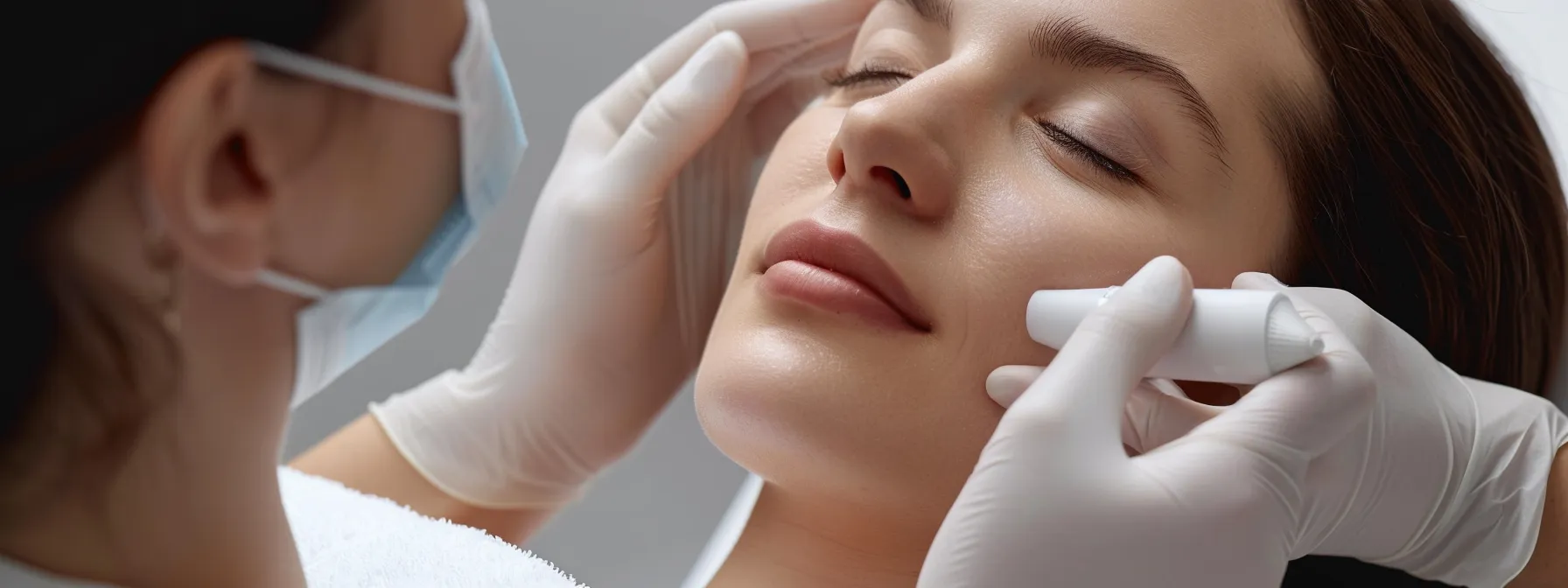
Are you concerned about sagging skin on your neck? As we age, the dermis loses elasticity, leading to a less youthful appearance. This article explores effective neck tightening treatments, from non-invasive options to surgical solutions. We’ll discuss the best treatments for saggy neck, including exercises you can do at home and professional procedures. Learn how to choose the right approach for your needs and discover how to schedule appointments for personalized consultations. Contact us to take the first step toward a more youthful neck appearance.
Understanding the Causes of Neck Aging

Neck aging results from multiple factors, including collagen and elastin loss, environmental influences, lifestyle habits, and genetic predisposition. Understanding these causes helps physicians recommend effective non-surgical neck lift treatments, such as ultrasound-based therapies. Patients seeking dermatology solutions can benefit from addressing each contributing factor for optimal results. contact us to schedule appointments.
The Role of Collagen and Elastin Loss
Collagen and elastin play crucial roles in maintaining skin firmness and elasticity, including in the neck area. As individuals age, the production of these proteins decreases, leading to sagging skin and the formation of wrinkles. This loss of structural support affects the jaw line and can contribute to the appearance of a “turkey neck.” Advanced treatments, such as laser therapy and collagen-stimulating procedures, aim to counteract these effects by promoting new collagen production and improving skin texture.
Environmental Factors Affecting Neck Skin
Environmental factors significantly impact neck skin aging. Prolonged sun exposure damages collagen and elastin fibers, leading to premature wrinkles and sagging. Pollution and free radicals can also accelerate aging, while extreme temperatures and low humidity contribute to skin dryness. Some treatments, like radio frequency, use controlled heat to stimulate collagen production and tighten neck skin, addressing these environmental effects. Protecting the neck area, including the ears, from sun damage is crucial for maintaining a youthful appearance.
Lifestyle Habits That Contribute to Neck Aging
Lifestyle habits significantly impact neck aging, with prolonged exposure to ultraviolet and infrared radiation accelerating skin damage. Poor posture, frequent device use, and smoking constrict blood flow and damage cells, contributing to premature aging. Inadequate sleep and hydration can impair the skin‘s ability to repair itself, potentially leading to complications like bleeding during procedures such as blepharoplasty. Adopting healthy habits and protecting the neck from harmful radiation can help maintain a youthful appearance and reduce the need for invasive treatments.
Genetic Influences on Skin Elasticity
Genetic factors significantly influence skin elasticity and the rate of neck aging. Individuals inherit genes that determine their skin‘s collagen and elastin production, affecting its ability to maintain elasticity and resist the formation of a “turkey neck.” While facial rejuvenation treatments like rhytidectomy can address visible signs of aging, genetic predisposition may impact the longevity of results. Some people may benefit more from topical treatments, such as retinoids, to enhance skin elasticity and slow the aging process, especially when combined with non-invasive neck tightening procedures.
Non-Invasive Neck Tightening Treatments

Non-invasive neck tightening treatments offer effective solutions for achieving a youthful appearance without surgery. These methods include radiofrequency therapy, ultrasound techniques, laser treatments, and topical products. Each approach targets skin laxity, fine lines, and wrinkles, providing options for those concerned about skin cancer or seeking minimally invasive procedures to improve the chin and neck area.
Exploring Radiofrequency Therapy Benefits
Radiofrequency therapy offers significant benefits for non-invasive neck tightening, targeting the platysma muscle to reduce sagging without saggy neck surgery. This advanced technique uses controlled heat to stimulate collagen production and tighten skin, providing results similar to platysmaplasty but without invasive procedures. Unlike light therapy or rhinoplasty, radiofrequency treatments effectively address neck laxity, offering a safe alternative for patients seeking to rejuvenate their appearance with minimal downtime.
Ultrasound Techniques for Skin Firming
Ultrasound techniques have emerged as a highly effective saggy neck treatment, offering minimal downtime and impressive results. These procedures use focused ultrasound energy to penetrate deep into the skin, stimulating collagen production and tightening loose skin without the need for toxins or medication. Many experts consider ultrasound therapy the best non-surgical procedure for neck tightening, as it targets specific layers of tissue with precision, resulting in a more youthful appearance without invasive measures.
Laser Treatments for Neck Rejuvenation
Laser treatments offer effective neck rejuvenation without the need for a surgeon or anesthesia. These non-invasive procedures target both the neck and forehead areas, providing comprehensive facial rejuvenation. Unlike chemical peels, laser treatments penetrate deeper into the skin, stimulating collagen production and tightening loose skin. This approach addresses fine lines, wrinkles, and skin laxity, resulting in a more youthful appearance with minimal downtime.
Effective Topical Creams and Serums
Topical creams and serums play a crucial role in neck rejuvenation, offering a non-invasive approach to tightening and improving skin texture. These products often contain ingredients like retinoids, peptides, and antioxidants that stimulate collagen production and promote skin elasticity. While not as intensive as neck tightening surgery, consistent use of these topical treatments can yield noticeable improvements, especially when combined with other non-invasive procedures. Patients should consult their medical history and discuss any concerns, such as smoking or previous breast reduction surgeries, with a skincare professional to determine the most effective topical regimen for their specific needs.
Minimally Invasive Procedures for Neck Rejuvenation

Minimally invasive procedures offer effective neck rejuvenation without extensive plastic surgery. These treatments include micro-needling, injectable treatments like Botox and fillers, and thread lifts. Each method targets specific concerns, such as skin texture, wrinkles, and sagging, with minimal downtime. Patients can achieve significant improvements without the risks associated with more invasive procedures involving incisions or acid peels.
The Advantages of Micro-Needling
Micro-needling offers significant advantages for neck rejuvenation, combining the benefits of minimally invasive procedures with the efficacy of more intensive treatments like laser neck tightening. This technique stimulates collagen production without the need for surgery, using ultrasound energy to enhance the skin‘s natural healing process. Patients experience noticeable improvements in skin texture and firmness, with results comparable to some facial surgeries but with minimal downtime and reduced risk of complications.
Utilizing Injectable Treatments Like Botox and Fillers
Injectable treatments like Botox and fillers have emerged as some of the best neck firming treatments in modern aesthetics. Botulinum toxin injections effectively relax neck muscles, reducing the appearance of vertical bands and horizontal lines. Dermal fillers, on the other hand, restore volume to areas like the cheeks and jawline, indirectly improving neck contours. These minimally invasive procedures harness advanced energy-based technologies to deliver noticeable results with minimal downtime, making them popular choices for those seeking effective neck rejuvenation.
Thread Lifts as a Neck Tightening Option
Thread lifts offer a minimally invasive option for neck tightening, targeting sagging skin and wrinkles without extensive surgery. This procedure involves inserting thin, dissolvable threads beneath the skin to lift and tighten the neck muscles, stimulating collagen production. The therapy not only provides immediate results but also promotes long-term protein synthesis, enhancing skin texture and nutrition. Patients typically experience minimal downtime, making thread lifts an attractive alternative to more invasive neck rejuvenation techniques.
Surgical Solutions for a Youthful Neck

Surgical solutions offer effective neck tightening for those seeking dramatic results. This section examines when surgery is appropriate, details the neck lift procedure, and discusses recovery management. It covers crucial aspects of skin care, nursing considerations, and potential risks, including the use of light-based therapies and deoxycholic acid treatments. Understanding these options helps patients make informed decisions about surgical neck rejuvenation.
Determining When Surgery Is the Right Choice
Determining the need for surgical neck tightening involves assessing factors such as excessive fat deposits, significant loss of elastin, and the ineffectiveness of non-invasive treatments like Ultherapy neck procedures. Patients with severe skin laxity, deep wrinkles, or prominent cellulite may benefit more from surgical intervention than topical treatments or sunscreen use alone. A consultation with a board-certified plastic surgeon can help evaluate the extent of aging and determine if surgery offers the best potential for achieving desired results.
Understanding the Neck Lift Procedure
A neck lift procedure combines advanced techniques to address sagging skin and tissue in the neck area. Surgeons often perform this in conjunction with a forehead lift to achieve comprehensive facial rejuvenation. The procedure involves carefully manipulating the skin and underlying muscles, stimulating collagen production for improved texture and firmness. Radiofrequency energy may be used during surgery to enhance tissue tightening, resulting in a more youthful and defined neck contour.
Managing Recovery and Minimizing Risks
Managing recovery after neck tightening surgery involves careful monitoring to minimize risks such as infection and pain. Patients may experience swelling in the treated area, including adipose tissue, which typically subsides within a few weeks. Surgeons often provide specific post-operative instructions to reduce complications and ensure optimal healing of the lip and neck regions. While rare, some patients may develop temporary acne-like breakouts due to skin irritation, which can be managed with proper skincare routines recommended by their healthcare provider.
At-Home Strategies for Neck Tightening

At-home strategies offer effective neck tightening solutions without expensive treatments. This section explores exercises to strengthen neck muscles, skincare routines incorporating advanced technology, and nutritional choices that support skin health. These methods, when combined, can provide significant improvements in neck appearance, addressing signs of ageing and promoting a more youthful look through diet, vitamins, and targeted techniques.
Exercises to Strengthen and Tone Neck Muscles
Neck exercises offer an accessible approach to toning and strengthening muscles, promoting overall neck health and appearance. These exercises target key muscle groups, helping to improve posture and reduce the appearance of sagging skin. Incorporating movements that focus on the platysma muscle can enhance the effectiveness of hyaluronic acid treatments, potentially leading to more pronounced results in neck tightening efforts.
Incorporating Effective Skincare Routines
Effective skincare routines play a crucial role in at-home neck tightening strategies. Incorporating products rich in retinoids and peptides can stimulate collagen production, reducing the appearance of scars and fine lines. For those concerned about genetics influencing neck aging, consistent application of broad-spectrum sunscreen helps protect against further damage. Some individuals may combine these routines with laser hair removal treatments to address unwanted hair growth, enhancing the overall appearance of the neck area.
Nutritional Choices That Support Skin Health
Nutritional choices significantly impact skin health, particularly in the neck area. A diet rich in antioxidants, vitamins C and E, and omega-3 fatty acids supports collagen production and skin elasticity. Consuming adequate protein helps maintain muscle tone, while staying hydrated ensures skin remains plump and supple. These dietary strategies complement other neck tightening treatments, enhancing their effectiveness and promoting long-term skin health.
Selecting the Most Suitable Treatment for Your Needs

Selecting the most suitable neck tightening treatment involves consulting with a qualified specialist, evaluating personal goals, and considering budget constraints. A professional assessment helps determine the most effective approach, while aligning expectations with realistic outcomes ensures satisfaction. Understanding treatment costs aids in financial planning for desired results.
Consulting With a Qualified Specialist
Consulting with a qualified specialist is crucial for determining the most suitable neck tightening treatment. A board-certified dermatologist or plastic surgeon can assess individual skin conditions, discuss treatment options, and recommend personalized solutions. These experts consider factors such as skin type, age, and specific concerns to develop an effective treatment plan, ensuring optimal results and minimizing potential risks.
Evaluating Personal Goals and Expectations
Evaluating personal goals and expectations is crucial when selecting a neck tightening treatment. Patients should consider their desired level of improvement, willingness to undergo invasive procedures, and acceptable recovery time. A realistic assessment of expectations helps determine whether non-invasive options like ultrasound therapy or more intensive surgical procedures are appropriate. Discussing these goals with a specialist ensures patients choose treatments that align with their desired outcomes and lifestyle considerations.
Budgeting for Neck Tightening Treatments
Budgeting for neck tightening treatments requires careful consideration of various factors, including the type of procedure, provider expertise, and expected outcomes. Non-invasive options like ultrasound or radiofrequency treatments generally cost less than surgical procedures but may require multiple sessions for optimal results. Patients should inquire about package deals, financing options, and any additional costs for follow-up care or maintenance treatments to make informed decisions that align with their financial capabilities and aesthetic goals.
Conclusion
Effective neck tightening treatments offer a range of options for achieving a youthful appearance, from non-invasive procedures to surgical solutions. Understanding the causes of neck aging and exploring various treatment modalities empowers individuals to make informed decisions about their skincare journey. Consulting with qualified specialists and aligning personal goals with realistic expectations are crucial steps in selecting the most suitable treatment plan. By combining professional interventions with at-home strategies and healthy lifestyle choices, individuals can effectively combat signs of neck aging and maintain a rejuvenated, confident appearance.