

Ultherapy is a popular non-surgical treatment that many patients consider for skin tightening and lifting. While it promises improved elasticity and rejuvenation, understanding its long-term effects and potential side effects is crucial. This article will explore the immediate side effects of Ultherapy, what to expect over time, and how to enhance results through proper aftercare. By addressing these key points, readers will gain valuable insights to make informed decisions about their skin health and address concerns related to nerve sensitivity and tissue changes around the eyebrow area.
Understanding Ultherapy: Procedure and Benefits

Ultherapy is a non-invasive skin lifting procedure that utilizes ultrasound energy to stimulate collagen production, promoting tighter and firmer skin. This section will explore how Ultherapy compares to other skin rejuvenation treatments, addressing potential side effects such as edema and the need for injections. Understanding these aspects will provide valuable insights into the long-term effects of Ultherapy.
Non-Invasive Skin Lifting Explained
Non-invasive skin lifting, such as Ultherapy, employs ultrasound energy to target deeper layers of the skin without the need for surgery. This medical device stimulates collagen production, effectively reducing wrinkles and improving skin firmness on areas like the neck and face. While the procedure is generally safe, potential risks include temporary swelling or discomfort, making it essential for individuals to consult with qualified professionals to understand the best options for their skin rejuvenation needs.
How Ultherapy Stimulates Collagen Production
Ultherapy stimulates collagen production by delivering focused ultrasound energy to the deeper layers of the skin, promoting natural rejuvenation without the need for anesthesia. This process encourages the body to produce new collagen, which helps to tighten and lift facial skin over time. Unlike other treatments such as laser hair removal or photorejuvenation, Ultherapy specifically targets the foundational layers of the skin, resulting in a more youthful appearance and improved skin texture.
Comparing Ultherapy to Other Skin Rejuvenation Treatments
When comparing Ultherapy to other skin rejuvenation treatments, it is essential to consider how each method addresses the signs of aging. Unlike laser treatments that may cause surface injury, Ultherapy uses ultrasound technology to stimulate deeper layers of the skin, promoting natural healing and collagen production. This makes Ultherapy a suitable candidate for individuals seeking a non-invasive solution to improve skin firmness without the downtime associated with more invasive procedures.
Immediate Side Effects of Ultherapy

Common post-treatment reactions to Ultherapy may include swelling and tenderness, which are typical responses to the therapy. Understanding how to manage these side effects is crucial for a smooth recovery experience. This section will provide practical tips for alleviating discomfort and ensuring optimal results, emphasizing the importance of maintaining skin health and promoting elastin production without the need for invasive plastic surgery.
Common Post-Treatment Reactions
After undergoing Ultherapy, individuals may experience common post-treatment reactions such as mild swelling and tenderness in the treated areas. These reactions are typical responses to the focused ultrasound energy that targets the dermis, stimulating collagen production to improve skin condition. While these side effects are generally temporary, understanding how to manage them can enhance the overall experience of this cosmetic procedure, ensuring that the benefits of improved skin texture and firmness are fully realized.
Managing Swelling and Tenderness
Managing swelling and tenderness after Ultherapy is essential for a comfortable recovery. Applying a cold compress to the treated areas, such as the jaw, chin, and lip, can help reduce inflammation and soothe discomfort. Additionally, staying hydrated and avoiding strenuous activities for a few days post-treatment can further support the healing process, allowing individuals to enjoy the benefits of facial rejuvenation without prolonged downtime.
Tips for a Smooth Recovery Experience
To ensure a smooth recovery after Ultherapy, individuals should prioritize rest and hydration, as these factors significantly contribute to the healing process. Applying cold compresses can alleviate pain and reduce swelling, while over-the-counter medication may help manage any discomfort. It is also advisable to avoid strenuous activities that could increase the risk of muscle strain, allowing the skin to recover and enhancing the overall appearance of the treated areas.
Long-Term Effects of Ultherapy: What to Expect Over Time
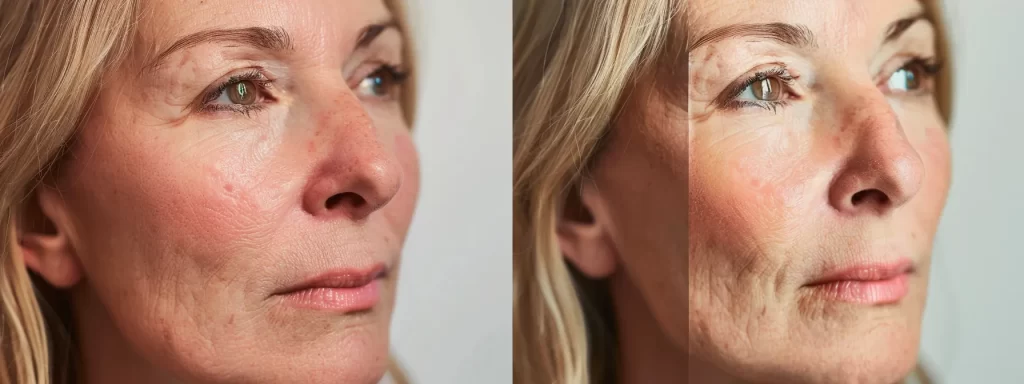
The long-term effects of Ultherapy include sustained improvements in skin elasticity and firmness, making it a valuable option for those seeking non-surgical alternatives to rhytidectomy. This section will discuss the duration of results and maintenance suggestions, as well as patient experiences over the years. Insights from physicians will highlight how Ultherapy impacts connective tissue, ensuring a comprehensive understanding of its lasting benefits.
Duration of Results and Maintenance Suggestions
The results of Ultherapy can last anywhere from six months to two years, depending on individual skin conditions and lifestyle factors. To maintain optimal results, patients are encouraged to schedule follow-up sessions as recommended by their healthcare provider, typically every 12 to 18 months. Incorporating a consistent skincare routine that includes sun protection and hydration can further enhance the longevity of the treatment, ensuring that the skin remains firm and youthful over time.
Long-Term Improvements in Skin Elasticity
Long-term improvements in skin elasticity are one of the key benefits of Ultherapy. As the ultrasound energy stimulates collagen production, patients often notice a gradual tightening of the skin, leading to a more youthful appearance. Over time, this enhanced elasticity can significantly reduce the visibility of fine lines and sagging, providing a non-surgical solution for individuals seeking to maintain their skin’s firmness and vitality.
Patient Experiences With Ultherapy Over the Years
Patient experiences with Ultherapy over the years reveal a generally positive trend in skin rejuvenation and satisfaction. Many individuals report noticeable improvements in skin firmness and elasticity, often describing a gradual enhancement in their appearance that boosts their confidence. Feedback from patients highlights the importance of following post-treatment care and scheduling maintenance sessions to maximize the long-term benefits of this non-invasive procedure.
Assessing Potential Risks and Safety of Ultherapy

Understanding the potential risks and safety of Ultherapy is essential for anyone considering this treatment. This section will cover rare side effects and complications that may arise, the importance of choosing a qualified practitioner, and key pre-treatment considerations to ensure safety. These insights will help individuals make informed decisions about their skin rejuvenation journey.
Understanding Rare Side Effects and Complications
While Ultherapy is generally considered safe, it is important to be aware of rare side effects and complications that may occur. Some individuals might experience unexpected reactions such as skin discoloration, nerve damage, or even scarring, although these instances are infrequent. Consulting with a qualified practitioner can help mitigate these risks, as they can provide personalized assessments and ensure that the procedure is performed correctly, enhancing both safety and effectiveness.
Importance of Choosing a Qualified Practitioner
Choosing a qualified practitioner for Ultherapy is crucial to ensure safety and effectiveness. A skilled professional will have the necessary training and experience to perform the procedure correctly, minimizing the risk of complications such as skin discoloration or nerve damage. Patients should seek practitioners who are certified and have a strong track record in non-invasive skin treatments, as this can significantly enhance the overall experience and results of their skin rejuvenation journey.
Pre-Treatment Considerations for Safety
Before undergoing Ultherapy, individuals should consider several important factors to ensure a safe and effective treatment. It is essential to have a thorough consultation with a qualified practitioner who can assess skin type, medical history, and specific aesthetic goals. This personalized evaluation helps identify any potential contraindications, such as skin conditions or medications that may affect the treatment’s outcome, ensuring that patients are well-informed and prepared for the procedure.
Enhancing Ultherapy Results Through Aftercare

Post-treatment skincare guidelines play a crucial role in enhancing the results of Ultherapy. Adopting lifestyle factors that support skin health, such as proper hydration and sun protection, can further improve outcomes. Additionally, combining Ultherapy with other treatments may yield optimal results. Each of these aspects will be explored in detail to provide practical insights for maintaining skin vitality after the procedure.
Post-Treatment Skincare Guidelines
Post-treatment skincare is vital for maximizing the benefits of Ultherapy. Patients should focus on gentle cleansing and moisturizing to support skin recovery, while avoiding harsh products that may irritate the treated areas. Additionally, applying a broad-spectrum sunscreen daily is essential to protect the skin from UV damage, which can hinder the healing process and diminish the results of the treatment.
Lifestyle Factors That Support Skin Health
Maintaining skin health after Ultherapy involves several lifestyle factors that can significantly enhance the results of the treatment. A balanced diet rich in antioxidants, vitamins, and minerals supports collagen production and overall skin vitality. Additionally, staying hydrated is crucial, as it helps maintain skin elasticity and promotes a healthy complexion, allowing individuals to enjoy the long-term benefits of their Ultherapy procedure.
Combining Ultherapy With Other Treatments for Optimal Results
Combining Ultherapy with other skin treatments can enhance overall results and provide a more comprehensive approach to skin rejuvenation. For instance, integrating Ultherapy with dermal fillers or chemical peels can address multiple signs of aging, such as volume loss and uneven texture, leading to a more youthful appearance. Patients should consult with qualified practitioners to develop a tailored treatment plan that aligns with their specific skin goals, ensuring optimal outcomes and satisfaction.
Is Ultherapy the Right Choice for You?

Identifying ideal candidates for Ultherapy involves understanding individual skin types and aesthetic goals. During consultations, patients should ask specific questions to gauge suitability and expected outcomes. Evaluating the benefits and considerations of Ultherapy will help individuals make informed decisions about their skin rejuvenation journey, ensuring they choose the right treatment for their needs.
Identifying Ideal Candidates for Ultherapy
Identifying ideal candidates for Ultherapy involves assessing skin type, age, and specific aesthetic goals. Generally, individuals with mild to moderate skin laxity, particularly those in their 30s to 60s, may benefit most from this non-invasive treatment. Consulting with a qualified practitioner can help determine if Ultherapy aligns with their skin rejuvenation needs, ensuring they achieve the desired results without the risks associated with more invasive procedures.
Questions to Ask During Your Consultation
During a consultation for Ultherapy, individuals should ask specific questions to ensure they fully understand the procedure and its implications. Inquiries about the practitioner’s experience with Ultherapy, the expected results, and any potential side effects are essential for making an informed decision. Additionally, discussing personal skin concerns and how Ultherapy can address them will help tailor the treatment to meet individual needs, ensuring a more satisfactory outcome.
Evaluating the Benefits and Considerations of Ultherapy
Evaluating the benefits and considerations of Ultherapy is essential for individuals contemplating this treatment. Ultherapy offers a non-invasive solution for skin tightening and rejuvenation, making it an attractive option for those seeking to improve skin firmness without surgery. However, potential candidates should consider factors such as their skin type, desired outcomes, and any underlying health conditions, as these can influence the effectiveness and safety of the procedure.
Conclusion
Understanding Ultherapy is crucial for anyone considering this non-invasive skin rejuvenation treatment. It offers significant long-term benefits, including improved skin elasticity and firmness, while also presenting manageable side effects like temporary swelling. By consulting qualified practitioners and following post-treatment care, individuals can maximize their results and enhance their skin health. Ultimately, informed decisions about Ultherapy can lead to a more youthful appearance and increased confidence.