

Are you looking for a way to rejuvenate your appearance without surgery? Ultherapy offers a non-invasive solution that targets facial muscles to lift and tighten skin. This blog post will explore the innovative technology behind Ultherapy, its benefits compared to other options like blepharoplasty and Botox, and what to expect during the procedure. By understanding how Ultherapy works, readers can make informed decisions about their skincare goals and learn how to maintain their results effectively. If you want to enhance your look without the need for invasive treatments, this guide is for you.
Understanding Ultherapy and Its Innovative Technology
Ultherapy utilizes focused ultrasound technology to target deeper skin layers, promoting rejuvenation without the need for surgery. This non-invasive procedure is FDA-approved, ensuring safety and effectiveness. The following sections will explore the science behind ultrasound skin tightening, the advantages of targeting deeper layers, and how Ultherapy stands out in the field of aesthetic medicine.
The Science Behind Ultrasound Skin Tightening
Ultrasound skin tightening, as utilized in Ultherapy, employs focused ultrasound energy to penetrate the skin layers, specifically targeting areas like the forehead and neck. This technology operates at a precise frequency, stimulating collagen production deep within the skin, which helps reduce the appearance of wrinkles and sagging. By promoting natural rejuvenation, Ultherapy offers a non-invasive solution for those seeking to enhance their appearance without the need for surgical intervention.
Targeting Deeper Skin Layers Without Surgery
Ultherapy effectively targets deeper skin layers without the need for surgery, making it a preferred choice for those concerned about ageing. By utilizing ultrasound technology, this therapy stimulates collagen production in areas such as the eyelid and neck, leading to firmer, more youthful skin. Unlike traditional laser treatments, Ultherapy focuses on the foundational layers of the skin, providing a non-invasive solution that addresses sagging and wrinkles while promoting natural rejuvenation.
Safety and FDA Approval of Ultherapy
Ultherapy is a safe and effective non-surgical treatment that has received FDA approval, ensuring its reliability for skin rejuvenation. This procedure utilizes focused ultrasound energy to stimulate collagen production in the deeper layers of tissue, targeting areas where fat and muscle may contribute to sagging skin. By promoting natural tightening without the need for injections or invasive techniques, Ultherapy offers a compelling alternative for those seeking to enhance their appearance while minimizing risks associated with traditional surgical facelifts.
Benefits of Choosing Ultherapy for Facial Rejuvenation
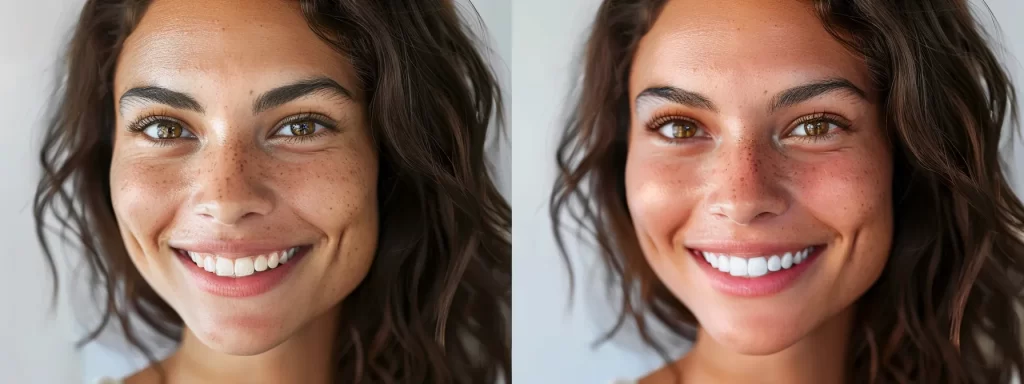
Ultherapy offers several benefits for facial rejuvenation, including achieving natural-looking lifts and tightening without the need for surgery. This minimally invasive procedure allows individuals to resume their daily activities immediately, with no downtime. Additionally, Ultherapy provides long-lasting results with minimal maintenance and customizable treatments tailored to individual needs, ensuring a personalized approach to skin care.
Achieving Natural-Looking Lifts and Tightening
Ultherapy provides a unique approach to achieving natural-looking lifts and tightening for the facial area, making it a preferred choice for those seeking non-surgical rejuvenation. Unlike treatments involving botulinum toxin or dermal fillers like Restylane, Ultherapy stimulates collagen production deep within the skin, resulting in gradual and subtle improvements that enhance the skin’s firmness without altering facial expressions. This method effectively addresses concerns such as sagging skin and hyperpigmentation, offering a solution that complements or even reduces the need for more invasive procedures like platysmaplasty.
No Downtime: Resume Activities Immediately
One of the significant advantages of Ultherapy is that it requires no downtime, allowing individuals to resume their daily activities immediately after the procedure. This accessibility makes it an appealing option for those who may be hesitant about traditional surgery, such as a forehead lift, which often involves extended recovery periods. Patients can enjoy the benefits of rejuvenation without the disruption to their routines, making Ultherapy a practical choice for busy lifestyles while still achieving noticeable results.
Long-Lasting Results With Minimal Maintenance
Ultherapy delivers long-lasting results with minimal maintenance, making it an attractive option for individuals seeking facial rejuvenation without the commitment of plastic surgery. The procedure enhances skin elasticity and firmness, particularly around the chin and neck areas, by stimulating collagen production. Patients often appreciate that Ultherapy does not require anesthesia and involves no significant downtime, allowing them to maintain their busy lifestyles while enjoying a more youthful appearance with reduced pigment irregularities over time.
Customizable Treatments for Individual Needs
Ultherapy offers customizable treatments tailored to each patient‘s unique needs, making it an ideal choice for facial rejuvenation. By focusing on specific areas such as the cheeks, this non-invasive procedure stimulates the production of elastin and hyaluronic acid, enhancing skin elasticity and hydration. This personalized approach ensures that patients achieve optimal results, addressing individual concerns while promoting a more youthful appearance without the need for surgery.
Ultherapy vs. Other Non-Surgical Facelift Alternatives

Ultherapy stands out among non-surgical facelift alternatives, particularly when compared to laser treatments, radiofrequency procedures, and injectable fillers. This section will explore the differences between Ultherapy and these options, highlighting its unique ability to target the dermis effectively. Additionally, a cost and effectiveness analysis will provide insights into the value of Ultherapy in achieving rejuvenation without the need for invasive methods.
Comparing Ultherapy to Laser Treatments
When comparing Ultherapy to laser treatments, it becomes clear that Ultherapy offers distinct advantages in targeting deeper skin layers. While laser treatments primarily focus on the surface of the skin, Ultherapy utilizes focused ultrasound energy to stimulate collagen production at a deeper level, resulting in more significant lifting and tightening effects. This unique approach not only enhances skin firmness but also addresses sagging and wrinkles more effectively, making Ultherapy a preferred choice for individuals seeking comprehensive facial rejuvenation without surgery.
Differences Between Ultherapy and Radiofrequency Procedures
Ultherapy and radiofrequency procedures both aim to rejuvenate the skin, but they differ significantly in their approach and effectiveness. Ultherapy uses focused ultrasound energy to penetrate deeper layers of the skin, stimulating collagen production at a foundational level, which leads to more pronounced lifting and tightening effects. In contrast, radiofrequency treatments primarily target the superficial layers, which may result in less dramatic improvements in skin firmness and elasticity, making Ultherapy a more effective option for those seeking substantial non-surgical facial rejuvenation.
Advantages Over Injectable Fillers
Ultherapy offers significant advantages over injectable fillers, particularly in its ability to stimulate collagen production at deeper skin layers. While fillers provide immediate volume and contouring, they do not address the underlying skin laxity that contributes to an aged appearance. Ultherapy’s focused ultrasound technology promotes natural skin tightening and rejuvenation, resulting in longer-lasting effects that enhance overall skin quality without the need for frequent touch-ups, making it a more sustainable option for those seeking a youthful look.
Cost and Effectiveness Analysis
When evaluating the cost and effectiveness of Ultherapy compared to other non-surgical facelift alternatives, it is essential to consider both immediate and long-term benefits. While the initial investment for Ultherapy may be higher than that of injectable fillers or laser treatments, the results tend to last longer, often up to two years, making it a more cost-effective option over time. Patients seeking a sustainable solution for skin tightening and rejuvenation will find that Ultherapy’s ability to stimulate collagen production at deeper layers provides significant value, addressing underlying skin laxity rather than just surface concerns.
The Ultherapy Procedure: What to Expect
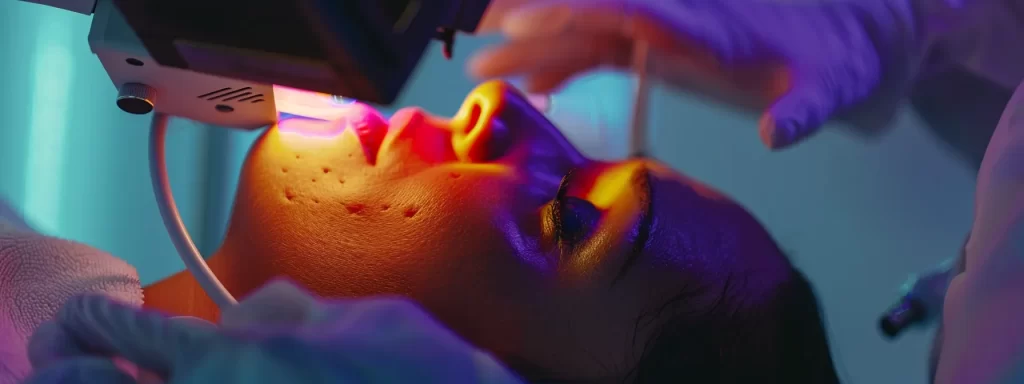
Preparing for an Ultherapy session involves understanding the treatment process, which includes a step-by-step overview of the procedure itself. Post-treatment care is essential for optimal recovery, and awareness of possible side effects can help manage expectations. This section will provide practical insights into each of these aspects, ensuring a comprehensive understanding of what to expect during and after the Ultherapy experience.
Preparing for Your Ultherapy Session
Preparing for an Ultherapy session involves a few straightforward steps to ensure optimal results. Patients are advised to arrive with clean skin, free of makeup and lotions, to allow the ultrasound energy to penetrate effectively. Additionally, discussing any medical conditions or medications with the practitioner beforehand can help tailor the treatment to individual needs, enhancing the overall experience and effectiveness of this non-surgical facelift alternative.
Step-by-Step Overview of the Treatment
The Ultherapy treatment begins with a consultation where the practitioner assesses the patient‘s skin and discusses specific goals. Once the treatment plan is established, the skin is cleansed, and a gel is applied to facilitate the ultrasound energy‘s penetration. During the procedure, the practitioner uses a handheld device to deliver focused ultrasound energy to targeted areas, stimulating collagen production and promoting skin tightening without discomfort.
Post-Treatment Care and Recovery
Post-treatment care following an Ultherapy session is essential for achieving optimal results and ensuring a smooth recovery. Patients are encouraged to avoid strenuous activities and excessive sun exposure for a few days to allow the skin to heal properly. Additionally, applying a gentle moisturizer can help maintain skin hydration and comfort, while following any specific aftercare instructions provided by the practitioner will further enhance the rejuvenation effects of this non-surgical facelift alternative.
Possible Side Effects and How to Manage Them
After an Ultherapy session, some patients may experience mild side effects, including redness, swelling, or tenderness in the treated areas. These effects are typically temporary and can be managed with over-the-counter pain relief and cold compresses to reduce discomfort. Understanding these potential side effects helps patients prepare for their recovery, ensuring they can enjoy the rejuvenating benefits of Ultherapy with confidence.
Is Ultherapy Right for You?
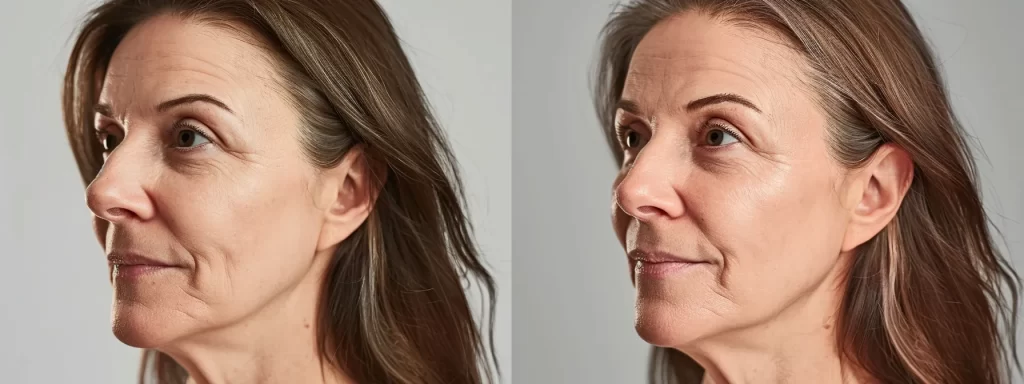
Ultherapy is an effective non-surgical facelift alternative suitable for various individuals. Ideal candidates typically include those experiencing common skin concerns such as sagging, wrinkles, and loss of elasticity. Age and skin type play a role in determining suitability, and a consultation is essential for assessing individual needs and tailoring the treatment for optimal results.
Ideal Candidates for the Procedure
Ideal candidates for Ultherapy are individuals experiencing early signs of aging, such as sagging skin, wrinkles, and loss of elasticity. Typically, those in their 30s to 60s can benefit most from this non-surgical facelift alternative, as their skin still possesses some elasticity but may require a boost in collagen production. A consultation with a qualified practitioner can help determine if Ultherapy is the right choice, ensuring a tailored approach that addresses specific skin concerns effectively.
Addressing Common Skin Concerns With Ultherapy
Ultherapy effectively addresses common skin concerns such as sagging skin, fine lines, and loss of elasticity. By stimulating collagen production in deeper skin layers, this non-surgical facelift alternative helps restore firmness and smoothness, making it an ideal solution for individuals looking to rejuvenate their appearance without invasive procedures. Many patients report noticeable improvements in skin texture and tightness, enhancing their overall confidence and satisfaction with their look.
Age Considerations and Skin Types
Age plays a significant role in determining the suitability of Ultherapy as a non-surgical facelift alternative. Typically, individuals in their 30s to 60s experience the most benefit, as their skin may show early signs of aging, such as sagging and fine lines, while still retaining some elasticity. Additionally, various skin types can respond well to Ultherapy, making it a versatile option for those seeking rejuvenation without invasive procedures.
Consultation: Assessing Your Individual Needs
During the consultation for Ultherapy, a qualified practitioner evaluates the individual’s skin condition and discusses specific aesthetic goals. This personalized assessment is crucial for determining if Ultherapy is the right non-surgical facelift alternative for the patient. By understanding the unique needs and concerns of each individual, practitioners can tailor the treatment plan to achieve optimal results, ensuring that patients feel confident and informed about their rejuvenation journey.
Maximizing and Maintaining Your Ultherapy Results

To maximize and maintain the results of Ultherapy, individuals can explore combining this treatment with other aesthetic procedures for enhanced effects. Lifestyle tips, such as proper skincare and hydration, can prolong the benefits of Ultherapy. Additionally, understanding when to schedule follow-up sessions is crucial for sustained results. Success stories and patient testimonials will illustrate the effectiveness of this non-surgical facelift alternative.
Combining Ultherapy With Other Treatments
Combining Ultherapy with other aesthetic treatments can enhance overall results and provide a more comprehensive approach to facial rejuvenation. For instance, pairing Ultherapy with dermal fillers can address volume loss while Ultherapy tightens and lifts the skin, creating a balanced and youthful appearance. Additionally, integrating skincare regimens that focus on hydration and sun protection can further prolong the benefits of Ultherapy, ensuring that the skin remains healthy and vibrant post-treatment.
Lifestyle Tips for Prolonged Benefits
To prolong the benefits of Ultherapy, individuals should adopt a consistent skincare routine that emphasizes hydration and sun protection. Using a high-quality moisturizer can help maintain skin elasticity, while broad-spectrum sunscreen protects against UV damage, which can accelerate aging. Additionally, incorporating a balanced diet rich in antioxidants and staying hydrated can support overall skin health, enhancing the results of this non-surgical facelift alternative.
When to Schedule Follow-Up Sessions
Scheduling follow-up sessions after Ultherapy is essential for maintaining optimal results. Typically, practitioners recommend a follow-up appointment around six months post-treatment to assess the skin’s response and determine if additional sessions are necessary. This timing allows for the natural collagen production stimulated by the initial treatment to fully develop, ensuring that patients can enjoy the long-lasting benefits of this non-surgical facelift alternative.
Success Stories and Patient Testimonials
Many patients have shared their success stories after undergoing Ultherapy, highlighting the noticeable improvements in their skin’s firmness and overall appearance. For instance, individuals in their 40s and 50s have reported significant lifting effects around the neck and jawline, which have boosted their confidence and satisfaction with their look. These testimonials emphasize how Ultherapy not only rejuvenates the skin but also enhances the quality of life for those seeking a non-surgical facelift alternative.
Conclusion
Ultherapy stands out as a leading non-surgical facelift alternative, offering effective rejuvenation through focused ultrasound technology. This innovative procedure targets deeper skin layers, promoting natural collagen production for firmer, more youthful skin without the need for invasive surgery. With no downtime and customizable treatments, Ultherapy provides a practical solution for individuals seeking to enhance their appearance while maintaining their busy lifestyles. Embracing Ultherapy can lead to long-lasting results, making it a valuable option for those looking to address common signs of aging.