

Table Of Contents:
Title: Comprehensive Guide to Post-Treatment Care for Plasma Pen Recovery Are you concerned about the healing process after a plasma pen treatment? This guide will provide you with essential information on how to manage your skin post-procedure, ensuring a smooth and healthy recovery. We’ll delve into immediate care practices, including the use of ice packs to mitigate swelling, and discuss the importance of avoiding sun tanning to protect the delicate wound area. You’ll learn about key aftercare steps that promote optimal healing and how to monitor and address any side effects that may arise. By following the advice outlined here, you’ll be equipped to nurture your skin back to health, enhancing the rejuvenating effects of your plasma pen treatment.
Understanding Plasma Pen Treatment and Skin Healing

Plasma Pen technology harnesses the power of ionized gas to stimulate cell renewal in the skin‘s dermis, enhancing elastin production and tightening the surface. Post-procedure, patients can anticipate a range of skin responses, from redness to micro-crusting, as part of the natural healing process. The duration of recovery varies, influenced by factors such as individual skin type and adherence to post-treatment care, which may include avoiding environments like saunas that can impede healing. This section delves into the intricacies of the skin‘s response to Plasma Pen treatment and the elements that affect healing time.
Overview of Plasma Pen Technology
The Plasma Pen is a cutting-edge device designed to improve skin texture and firmness through a non-invasive technique that stimulates collagen production. When the pen‘s tip releases energy to the skin‘s surface, it creates micro-injuries that trigger the body’s natural healing response, leading to the reduction of fine lines and tightening of lax skin. Patients should be aware that post-treatment care is crucial to prevent complications such as hyperpigmentation or infection; thus, the use of pure, gentle products, avoiding harsh acids, and applying recommended antibiotic ointments can be beneficial. Additionally, managing swelling with proper care and avoiding direct sunlight can further enhance the healing process and outcomes of the Plasma Pen treatment.
Expected Skin Responses After the Procedure
Following a Plasma Pen procedure, patients typically observe an immediate skin reaction characterized by redness and the formation of tiny, carbon crusts or dots at the treatment sites. These dots are a crucial part of the healing process, as they signify the stimulation of fibroblasts, which are instrumental in collagen synthesis and tissue regeneration. To support recovery, the application of a healing cream such as Aquaphor can provide a protective barrier, aiding in moisture retention and minimizing the risk of irritation. It is essential for individuals to understand that these skin responses are temporary and indicative of the body’s natural regenerative mechanisms at work.
Factors Influencing Healing Time
The duration of healing following Plasma Pen treatments can be influenced by several factors, including the patient‘s skin type, the intensity of the treatment, and the level of moisture maintained during the recovery phase. Proper hydration of the skin, both internally through adequate water intake and externally with the application of recommended cosmetics, can significantly expedite the healing process. Moreover, the areas that have been treated should be shielded from potential irritants and environmental stressors to ensure optimal recovery and the full benefits of the treatment.
Immediate Care Following Plasma Pen Treatment

Post-treatment care is a critical component of the Plasma Pen recovery process. Managing swelling and redness, establishing cleaning protocols for treated areas, and understanding which activities to avoid in the initial 48 hours are fundamental steps. Additionally, maintaining skin hydration plays a pivotal role in healing. This section will guide patients through immediate aftercare practices, emphasizing the importance of avoiding hot tubs, applying sunscreen, and incorporating vitamins into their skin care regimen to support and expedite the healing journey.
Managing Swelling and Redness
After undergoing a Plasma Pen treatment, patients may experience swelling and redness as natural indicators of the body’s healing process. To manage these symptoms effectively, it is recommended to apply cold compresses gently to the affected areas, which can alleviate pain and reduce inflammation. Additionally, staying hydrated by drinking plenty of water can assist in minimizing swelling and support the skin‘s recovery, ultimately aiding in the smoother appearance of wrinkles and rejuvenated skin texture.
Cleaning Protocols for Treated Areas
After a Plasma Pen session, it is imperative for patients to adhere to a gentle cleaning routine to prevent irritation and promote tissue repair, especially in delicate areas such as the eyelid. A mild, non-abrasive cleanser should be used to carefully cleanse the treated regions, followed by the application of ice packs to soothe the skin and reduce swelling. This careful approach to cleaning not only safeguards the integrity of the skin but also ensures an environment conducive to optimal healing.
Activities to Avoid in the First 48 Hours
In the initial 48 hours following a Plasma Pen treatment, patients are advised to avoid certain activities that can impede the healing process. Consumption of alcohol should be limited as it can increase swelling and delay recovery. Exposure to heat sources, such as saunas or hot showers, can exacerbate redness and lead to further irritation, while direct sunlight should be avoided to prevent sunburn on the sensitive, treated skin. It is also recommended to postpone the application of topical treatments like vitamin C, which may irritate the skin, and to keep any protective dressing intact to shield the area from environmental contaminants.
Hydration's Role in Recovery
Maintaining hydration is paramount for patients recovering from Plasma Pen treatments, as it aids in the regeneration of a healthy complexion and minimizes the potential for scarring. While it’s essential to avoid hot showers that can irritate the skin, lukewarm water can gently cleanse without stripping away necessary moisture. Additionally, patients should refrain from using retinol and other potentially drying agents during this period, as they can exacerbate sensitivity to ultraviolet light and impede the healing process. Proper hydration, both internally through adequate fluid intake and externally with appropriate moisturizers, is critical to support the skin‘s natural barrier and promote a smooth, rejuvenated appearance.
Key Aftercare Practices for Optimal Healing

Optimal healing from Plasma Pen therapy necessitates meticulous aftercare. This includes the application of recommended topical products to soothe the itch and support the immune system‘s role in skin repair. Protecting the treated area from sun exposure is crucial, especially around sensitive regions such as the eye. Dietary choices can also influence recovery, providing the necessary nutrients to aid the healing process. Patients must resist the urge to pick at scabs or crusts, as this can interfere with the skin‘s natural regeneration. The following sections will detail these key practices, ensuring patients are equipped with the knowledge to enhance their recovery post-Plasma Pen treatment.
Applying Recommended Topical Products
After a Plasma Pen treatment, the application of recommended topical products is essential to prevent infection and promote healing, particularly for those with acne-prone or dark skin. Patients should use a gentle, non-comedogenic gel to soothe the area and avoid any products that may irritate or cause additional redness. It is also advisable to refrain from shaving over the treated area to prevent further irritation. By following these guidelines, individuals can help ensure a smooth recovery and mitigate the risk of complications.
Protecting Skin From Sun Exposure
Shielding the skin from sun exposure is a critical step in the post-treatment phase of skin tightening therapy. Ultraviolet rays can heighten the risk of hyperpigmentation and compromise the rejuvenation process, particularly after the Plasma Pen procedure. Patients are advised to apply a broad-spectrum sunscreen diligently and wear protective clothing to minimize sun contact, thereby ensuring the integrity of the treated areas and supporting the skin‘s recovery without the interference of perspiration or additional environmental stressors.
Dietary Choices to Support Healing
Nutritional choices play a pivotal role in the body’s ability to heal after Plasma Pen treatments, which can be particularly beneficial in reducing edema and promoting faster recovery. Incorporating a diet rich in vitamins, minerals, and antioxidants can support the body’s healing mechanisms, especially when compared to the recovery from anesthesia or surgery. For those seeking to Book Skin Tightening services or Contact Newport Skin for a consultation, understanding the impact of dietary choices on post-treatment outcomes is essential. A balanced intake of lean proteins, omega-3 fatty acids, and leafy greens can provide the necessary nutrients to enhance skin regeneration and overall wellness.
Avoiding Picking at Scabs or Crusts
Resisting the urge to pick at scabs or crusts is a critical aspect of the healing process after Plasma Pen therapy. When patients remove these protective barriers prematurely, they risk scarring and infection, which can compromise the aesthetic outcome of the treatment. It is essential for individuals to allow these natural coverings to fall off in their own time, ensuring the newly rejuvenated skin beneath has adequately healed and is ready to be exposed.
Monitoring and Managing Side Effects
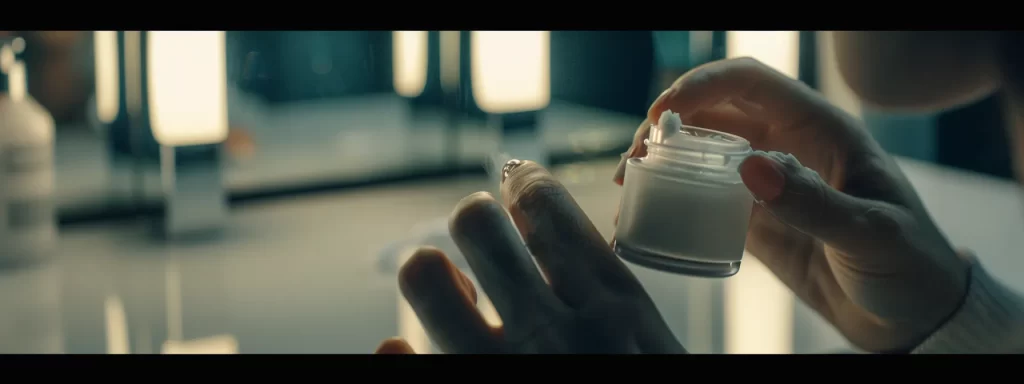
Post-treatment vigilance is key to a successful recovery from Plasma Pen therapy. Recognizing signs of infection early, employing techniques to alleviate discomfort, and understanding when to seek professional advice are crucial steps in managing side effects. This section provides practical guidance on monitoring the healing process, ensuring patients can address any concerns promptly and maintain the integrity of their skin rejuvenation results.
Recognizing Signs of Infection
Recognizing signs of infection is a critical aspect of post-treatment care for Plasma Pen recovery. Patients should be vigilant for symptoms such as increased redness, swelling beyond the initial response, unusual discharge, or a sensation of excessive heat in the treated area, as these may indicate an infection. Prompt consultation with a healthcare provider is imperative to address any infection early, ensuring the safety and efficacy of the skin tightening procedure and preserving the desired aesthetic outcomes.
Techniques to Alleviate Discomfort
To alleviate discomfort following Plasma Pen treatment, patients may find relief through the application of cool, damp cloths to the affected areas, which can help to soothe the skin and reduce inflammation. It is also beneficial to keep the head elevated, particularly during sleep, to minimize swelling. The use of over-the-counter pain relievers, as recommended by a healthcare professional, can further ease any discomfort experienced during the recovery phase, ensuring a more comfortable healing process.
When to Consult a Professional
Consulting a professional is imperative if recovery from Plasma Pen treatment deviates from the expected course, particularly if symptoms such as persistent redness, swelling, or pain intensify rather than subside. Patients should seek medical advice when experiencing any signs of infection or if they have concerns about the healing process. A timely evaluation by a skincare specialist can provide peace of mind, ensure proper healing, and maintain the integrity of the skin tightening results.
Long-Term Skin Care After Recovery
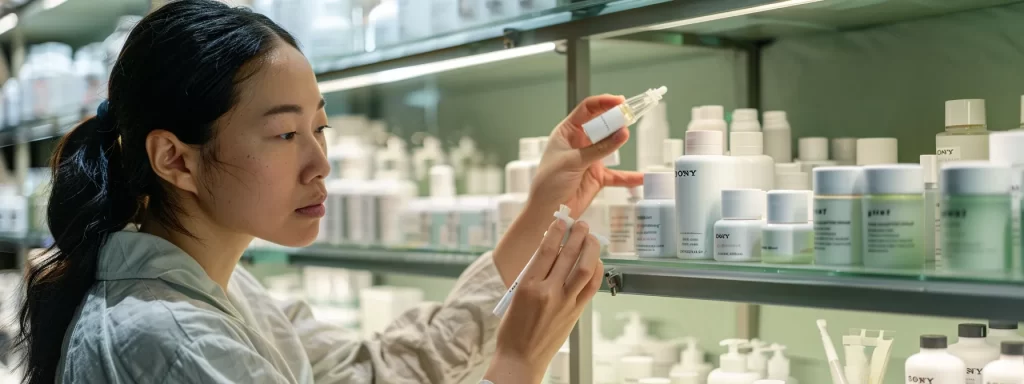
After the initial recovery from Plasma Pen treatment, long-term skin care becomes essential to maintain the rejuvenating results. This section will outline the importance of a tailored skincare routine, highlight recommended products that cater to post-recovery skin, and discuss the significance of scheduling follow-up treatments. Each topic is designed to extend the benefits of the procedure and ensure lasting skin firmness and texture improvement.
Maintaining Results With a Skincare Routine
To sustain the rejuvenating effects of the Plasma Pen, a dedicated skincare routine is paramount. Patients are encouraged to integrate products that bolster collagen production and protect against environmental damage into their daily regimen. Consistent use of hydrating serums, retinoids, and sunscreens with high SPF can help maintain skin elasticity and texture, ensuring long-term benefits from the treatment. This approach not only preserves the skin‘s youthful appearance but also fortifies its natural defenses against aging.
Recommended Products for Post-Recovery Skin
For individuals navigating the post-recovery phase of Plasma Pen treatment, selecting the right skincare products is crucial for maintaining the skin‘s health and enhancing the treatment‘s benefits. It is recommended to use products rich in peptides and hyaluronic acid to support collagen production and maintain hydration, as well as those containing antioxidants to protect against environmental damage. A professional at Newport Skin can provide personalized recommendations, ensuring that each patient‘s regimen is tailored to their specific skin needs, thereby optimizing the longevity of the skin tightening results.
Planning Follow-Up Treatments
After the initial healing phase from Plasma Pen therapy, scheduling follow-up treatments is a strategic step to maintain and enhance the skin‘s firmness and texture. These subsequent sessions, tailored to the individual’s skin condition and goals, allow for continuous improvement and long-term satisfaction with the results. The professionals at Newport Skin can guide patients through the process, ensuring that each treatment builds on the last, fostering enduring skin rejuvenation and a youthful complexion.
Common Questions About Plasma Pen Aftercare

Patients often have questions regarding the recovery phase after a Plasma Pen treatment. This section addresses common inquiries, providing a timeline for typical recovery, guidelines for the safe application of makeup post-treatment, and advice on when to resume regular activities. Each topic is designed to offer practical insights, ensuring individuals can navigate the healing process with confidence and clarity. The information presented here is crucial for maintaining the integrity of the treatment results and returning to daily life with minimal disruption.
Typical Recovery Timeline
The typical recovery timeline following a Plasma Pen treatment generally spans from 5 to 7 days for the initial healing of micro-crusts and redness, with full collagen remodeling and skin tightening effects becoming more pronounced over the course of several weeks to three months. Patients often observe a noticeable improvement in skin texture and firmness as the skin‘s natural regeneration processes are activated. It is imperative for individuals to follow the prescribed aftercare regimen to ensure optimal results and prevent any potential complications during this period.
Safe Use of Makeup After Treatment
After receiving Plasma Pen treatment, patients must wait until the skin has fully healed before applying makeup, which typically means after the micro-crusts have naturally fallen off. This precaution is vital to prevent infection and allow the skin to recover without interference. When resuming makeup use, individuals should opt for mineral-based products that are free from irritants and designed to be gentle on sensitive skin, ensuring the continued health and aesthetic benefits of their Plasma Pen procedure.
Resuming Regular Activities
Resuming regular activities after Plasma Pen treatment requires patience and careful consideration of the skin‘s healing process. Typically, patients can return to most daily tasks within a few days, but should avoid strenuous exercise, heavy lifting, or any activity that may cause excessive sweating for at least a week to prevent irritation and ensure optimal recovery. It is essential for individuals to follow their healthcare provider’s specific guidance on activity levels to maintain the integrity of the treatment results and support the skin‘s rejuvenation.
Conclusion
Adhering to a comprehensive post-treatment care plan is crucial for maximizing the benefits of Plasma Pen therapy and ensuring a smooth recovery. Proper aftercare, including gentle cleansing, hydration, and sun protection, significantly influences the healing process and the longevity of skin tightening results. Patients must avoid activities that could hinder recovery, such as picking at scabs or exposing treated areas to heat, to prevent complications. Ultimately, a meticulous approach to post-treatment care not only preserves the skin‘s rejuvenated appearance but also fortifies its resilience against future aging.