

Are you considering skin tightening options but unsure whether to choose laser treatments or traditional methods? With many people seeking effective solutions for issues like sagging skin and stretch marks, understanding the differences is crucial. This article will explore traditional skin tightening methods, provide an in-depth look at laser techniques, and compare their effectiveness and safety. By the end, readers will gain valuable insights to help them make informed decisions about their skin makeover, ensuring patient safety and optimal results with the guidance of a qualified physician.
Understanding the Importance of Skin Tightening

The aging process significantly impacts skin elasticity, leading to sagging skin and the appearance of cellulite. Common causes include sun exposure, weight fluctuations, and lifestyle choices. Skin tightening procedures offer numerous benefits, such as improved skin texture and enhanced confidence. This section will explore the aging effects on tissue, the role of cosmetics, and how various methods, including laser treatments and traditional techniques, can address these concerns.
The Aging Process and Skin Elasticity
The aging process leads to a decline in skin elasticity, which is crucial for maintaining a youthful appearance. As individuals age, the production of collagen and elastin decreases, resulting in sagging skin and the formation of wrinkles. Factors such as sun exposure and lifestyle choices can exacerbate these changes, affecting skin cells and increasing pigment irregularities. Understanding these effects highlights the importance of skin tightening methods, including laser treatments and traditional techniques, which can help restore skin firmness and reduce downtime associated with recovery.
Common Causes of Sagging Skin
Sagging skin can result from various factors, including the natural aging process, which leads to a decrease in elastin and collagen production. Additionally, lifestyle choices such as smoking, poor diet, and excessive sun exposure can accelerate skin deterioration. Medical conditions, including certain diseases, may also contribute to skin laxity, making procedures like blepharoplasty necessary for those seeking to improve their appearance. Understanding these causes is essential for individuals considering skin tightening options, whether through laser treatments or traditional methods that may involve sedation and the use of a cannula for more precise results.
Benefits of Skin Tightening Procedures
Skin tightening procedures offer significant benefits for individuals seeking to improve their appearance and boost their confidence. These methods can effectively address issues such as sagging skin, hyperpigmentation, and even acne scars, providing a more youthful and rejuvenated look. Additionally, while traditional techniques like rhytidectomy can deliver dramatic results, non-invasive options, including laser treatments, minimize risks such as burns and complications associated with skin cancer, making them appealing choices for many clients.
Exploring Traditional Skin Tightening Methods

Exploring Traditional Skin Tightening Methods
Traditional skin tightening methods encompass a variety of techniques aimed at enhancing skin firmness and appearance. Surgical facelifts provide significant results by tightening the dermis, while dermal fillers offer a non-surgical option to restore volume. Chemical peels can improve skin texture, and radiofrequency treatments stimulate collagen production. Additionally, ultrasound therapy serves as a non-invasive alternative for skin tightening.
Surgical Facelifts Explained
Surgical facelifts are a traditional method for achieving significant skin tightening and rejuvenation. This procedure involves removing excess skin and tightening underlying tissues, resulting in a more youthful appearance. While it offers high efficacy in addressing sagging skin, it is important to consider the recovery time and potential risks associated with surgery, such as hair loss or complications from anesthesia. For those seeking less invasive options, alternatives like botulinum toxin injections can provide a temporary lift without the need for surgery.
Dermal Fillers and Their Role
Dermal fillers play a significant role in traditional skin tightening methods by restoring volume and enhancing facial contours. These injectable treatments can effectively address signs of aging, such as sagging skin and loss of elasticity, without the need for invasive surgery. While fillers can lead to temporary inflammation and minor bleeding at the injection site, they offer patients a quick recovery time and immediate results, making them an appealing option for those seeking a youthful appearance without the extended downtime associated with procedures like breast reduction or surgical facelifts.
The Use of Chemical Peels
Chemical peels are a popular traditional skin tightening method that can enhance the complexion by removing the outer layer of dead skin cells. This process helps to reduce the appearance of wrinkles and fine lines, making the skin look smoother and more youthful. While chemical peels are effective for improving skin texture, they are not a substitute for more invasive procedures like surgery or labiaplasty, which may be necessary for more significant changes in skin tightness or contouring, such as in the buttocks area.
Radiofrequency Treatments Overview
Radiofrequency treatments are a non-invasive option for skin tightening that utilizes energy to stimulate collagen production and improve skin elasticity. This method targets adipocytes, or fat cells, helping to reduce localized fat while enhancing the overall firmness of the skin. Unlike surgical procedures, radiofrequency treatments typically do not require anesthesia, making them a convenient choice for individuals seeking effective results without the downtime associated with more invasive options like breast augmentation.
Ultrasound Therapy for Skin Tightening
Ultrasound therapy for skin tightening is a non-invasive method that utilizes sound waves to stimulate collagen production, enhancing skin elasticity and firmness. This technique is often preferred in clinics due to its minimal risk and quick recovery time, allowing patients to resume daily activities shortly after treatment. While some individuals may experience mild discomfort during the procedure, the pain is generally manageable, and the healing process is swift, making ultrasound therapy an appealing option for those seeking effective skin tightening without the need for carbon dioxide lasers or surgical interventions.
An in-Depth Look at Laser Skin Tightening Techniques

Laser skin tightening techniques utilize advanced technology to stimulate collagen production, effectively tightening the skin. Various types of laser treatments are available, each designed to address specific concerns. This section will detail the procedure, what candidates can expect, ideal candidates for laser treatments, and essential recovery tips, providing valuable insights for those considering this option for skin rejuvenation.
How Laser Technology Tightens Skin
Laser technology tightens skin by delivering focused energy that penetrates the dermis, stimulating collagen production. This process enhances skin elasticity and firmness, making it an effective option for areas such as the chin and abdomen. Patients often report high satisfaction levels due to the minimal discomfort associated with the procedure, which typically requires only local anesthesia, allowing for a quick recovery and less downtime compared to traditional surgical methods.
Different Types of Laser Treatments
Different types of laser treatments offer various approaches to skin tightening and rejuvenation, each tailored to specific needs. For instance, fractional laser therapy targets small areas of the skin, promoting collagen production while minimizing damage to surrounding tissue, making it effective for treating sagging skin on the neck and face. Additionally, some laser systems utilize suction to enhance the removal of adipose tissue, providing a dual benefit of tightening the skin while reducing localized fat deposits, which is a significant concern for many individuals seeking aesthetic medicine solutions.
Procedure Details and What to Expect
The laser skin tightening procedure involves the application of focused energy through advanced optics to stimulate collagen production in the skin. During the treatment, patients can expect a sensation similar to a mild snapping or warming effect as the laser targets specific areas, promoting skin tightening without significant discomfort. Post-procedure, wearing a compression garment may be recommended to support the healing process and enhance results, ensuring a smoother recovery and optimal skin rejuvenation.
Ideal Candidates for Laser Treatments
Ideal candidates for laser skin tightening treatments are typically individuals experiencing signs of ageing, such as sagging skin and loss of elasticity. This therapy is particularly effective for those looking to improve skin firmness without the need for invasive procedures. Patients should be in good health and have realistic expectations about the results, as laser treatments can help reduce the appearance of scars and promote lipolysis, enhancing overall skin texture and tone with minimal discomfort, often requiring only a local anesthetic.
Recovery Time and Aftercare Tips
Recovery time after laser skin tightening is generally minimal, allowing individuals to resume normal activities within a few days. Patients are advised to avoid strenuous exercise and weight lifting for at least a week to reduce the risk of infection and ensure optimal healing. Scheduling follow-up Appointments is essential for monitoring progress and addressing any concerns, particularly for those who may have undergone treatments on sensitive areas like the thighs, where skin may require additional care compared to more invasive plastic surgery options.
Effectiveness Comparison: Laser Versus Traditional Methods

This section compares the effectiveness of laser and traditional skin tightening methods, focusing on immediate and long-term results, the number of sessions required, and the duration of effects. It will also explore patient satisfaction through testimonials and review clinical studies supporting each method. For personalized insights, interested individuals are encouraged to Contact Us for further information.
Immediate and Long-Term Results
When comparing immediate and long-term results of laser versus traditional skin tightening methods, laser treatments often provide quicker visible improvements. Patients typically notice tighter skin shortly after the procedure, with optimal results developing over several months as collagen production increases. In contrast, traditional methods, such as surgical facelifts, may deliver dramatic results immediately but come with longer recovery times and potential complications. Understanding these differences helps individuals make informed decisions based on their aesthetic goals and lifestyle preferences.
Number of Sessions Needed
The number of sessions required for skin tightening varies significantly between laser and traditional methods. Laser treatments often necessitate fewer sessions, typically ranging from one to three, depending on the individual’s skin condition and desired results. In contrast, traditional methods, such as surgical facelifts, usually involve a single procedure but require a longer recovery period, making laser options appealing for those seeking quicker results with minimal downtime.
Duration of Effects Between Methods
The duration of effects from laser skin tightening methods typically lasts between six months to two years, depending on individual skin conditions and maintenance practices. In contrast, traditional methods like surgical facelifts can provide longer-lasting results, often remaining effective for several years, but they come with a more extended recovery period and potential complications. Understanding these differences is crucial for individuals seeking the best option for their skin rejuvenation goals, as it allows them to weigh the benefits of immediate results against the longevity of effects.
Patient Satisfaction and Testimonials
Patient satisfaction plays a crucial role in evaluating the effectiveness of laser versus traditional skin tightening methods. Many individuals report high levels of satisfaction with laser treatments due to their minimal discomfort and quick recovery times, allowing them to return to daily activities almost immediately. In contrast, while traditional methods like surgical facelifts may yield dramatic results, the longer recovery period and potential complications can lead to mixed feelings among patients. Testimonials often highlight the importance of understanding personal goals and preferences when choosing between these options, emphasizing the need for a tailored approach to skin rejuvenation.
Clinical Studies Supporting Each Method
Clinical studies have demonstrated the effectiveness of both laser and traditional skin tightening methods, providing valuable insights for individuals considering their options. Research indicates that laser treatments, such as fractional laser therapy, can significantly improve skin elasticity and texture with minimal downtime, making them a popular choice among patients. Conversely, studies on surgical facelifts reveal that while they offer dramatic and long-lasting results, they also come with longer recovery times and potential complications, highlighting the importance of understanding personal goals and health considerations when selecting a skin tightening method.
Safety, Risks, and Side Effects to Consider

Understanding the safety, risks, and side effects associated with skin tightening methods is essential for informed decision-making. Traditional procedures may lead to common side effects such as swelling and bruising, while laser treatments carry potential risks like burns or pigmentation changes. This section will also cover strategies to minimize complications, pre-treatment guidelines for safety, and post-treatment care to ensure optimal results.
Common Side Effects of Traditional Procedures
Common side effects of traditional skin tightening procedures can include swelling, bruising, and discomfort at the treatment site. These effects are typically temporary and may vary depending on the specific method used, such as surgical facelifts or dermal fillers. Patients should be aware of these potential reactions and discuss them with their healthcare provider to ensure they have realistic expectations and a clear understanding of the recovery process.
Potential Risks With Laser Treatments
Laser treatments for skin tightening, while effective, come with potential risks that patients should consider. Common side effects include temporary redness, swelling, and discomfort at the treatment site. In some cases, individuals may experience more serious complications, such as burns or changes in skin pigmentation, particularly if the procedure is not performed by a qualified professional. Understanding these risks is crucial for anyone considering laser skin tightening, as it allows them to make informed decisions and seek appropriate care to minimize complications.
How to Minimize Complications
To minimize complications associated with skin tightening procedures, individuals should prioritize selecting a qualified and experienced practitioner. Researching credentials and reading patient reviews can help ensure that the chosen provider has a proven track record in performing either laser or traditional methods. Additionally, following pre-treatment guidelines, such as avoiding blood thinners and adhering to skincare routines, can significantly reduce the risk of adverse effects, leading to a smoother recovery and optimal results.
Pre-Treatment Guidelines for Safety
Prior to undergoing any skin tightening procedure, whether laser or traditional, individuals should adhere to specific pre-treatment guidelines to ensure safety and optimal results. It is advisable to avoid blood thinners, such as aspirin and certain supplements, for at least a week before the treatment to minimize the risk of excessive bruising. Additionally, maintaining a consistent skincare routine and consulting with a qualified practitioner about any medications or skin conditions can help tailor the approach to each individual’s needs, ultimately enhancing the effectiveness of the chosen skin tightening method.
Post-Treatment Care and Maintenance
Post-treatment care is essential for both laser and traditional skin tightening methods to ensure optimal results and minimize complications. Patients are advised to follow their practitioner’s specific aftercare instructions, which may include avoiding sun exposure, using gentle skincare products, and staying hydrated. Additionally, applying cold compresses can help reduce swelling and discomfort, while regular follow-up appointments allow for monitoring progress and addressing any concerns that may arise during the healing process.
Choosing the Best Skin Tightening Method for You
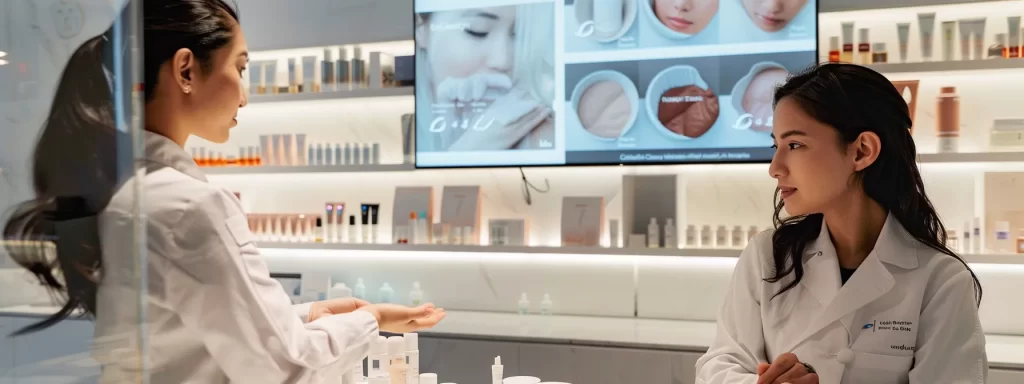
Choosing the best skin tightening method involves assessing personal goals and expectations, consulting with a skincare professional, and analyzing the costs associated with each option. Additionally, combining treatments can enhance results. This section will provide practical insights into these considerations, guiding individuals toward the next step for achieving firmer, more youthful skin.
Assessing Personal Goals and Expectations
Assessing personal goals and expectations is crucial when choosing between laser and traditional skin tightening methods. Individuals should consider their desired outcomes, such as the level of skin firmness they wish to achieve and the importance of recovery time. For example, those seeking immediate results with minimal downtime may find laser treatments more appealing, while individuals looking for long-lasting effects might lean towards traditional surgical options. Understanding these factors can help guide individuals toward the most suitable skin tightening solution for their unique needs.
Consulting With a Skincare Professional
Consulting with a skincare professional is a vital step in determining the most suitable skin tightening method, whether laser or traditional. These experts can assess individual skin conditions, discuss specific goals, and recommend tailored treatments that align with personal preferences and lifestyle. By leveraging their knowledge and experience, clients can make informed decisions that enhance their chances of achieving desired results while minimizing potential risks associated with various procedures.
Cost Analysis of Each Method
The cost of skin tightening methods varies significantly between laser treatments and traditional procedures. Laser skin tightening typically ranges from $1,000 to $3,000 per session, depending on the area treated and the technology used. In contrast, traditional methods like surgical facelifts can cost between $7,000 and $15,000, factoring in additional expenses such as anesthesia and recovery care. Understanding these financial implications is essential for individuals to make informed decisions that align with their budget and desired outcomes.
Combining Treatments for Enhanced Results
Combining laser and traditional skin tightening methods can yield enhanced results for individuals seeking optimal skin rejuvenation. For instance, a patient might undergo laser treatments to stimulate collagen production while also utilizing dermal fillers to restore volume in specific areas. This integrated approach not only addresses multiple skin concerns simultaneously but also maximizes the benefits of each treatment, leading to a more youthful and revitalized appearance.
Taking the Next Step Toward Firmer Skin
Taking the next step toward firmer skin involves careful consideration of individual needs and preferences. Individuals should evaluate their specific skin concerns, desired outcomes, and recovery timelines when choosing between laser and traditional skin tightening methods. Consulting with a qualified skincare professional can provide valuable insights, helping clients make informed decisions that align with their aesthetic goals and lifestyle.
Conclusion
Understanding the differences between laser and traditional skin tightening methods is essential for individuals seeking effective solutions for sagging skin. Laser treatments offer quicker results with minimal downtime, making them appealing for those with busy lifestyles, while traditional methods provide longer-lasting effects but require more recovery time. By assessing personal goals and consulting with skincare professionals, individuals can make informed decisions that align with their aesthetic desires. Ultimately, choosing the right method can significantly enhance skin appearance and boost confidence, underscoring the importance of this comprehensive comparison.