

Many people believe that aging skin is an inevitable part of life, but it doesn’t have to be. Laser therapy offers a powerful solution for rejuvenating your complexion and addressing common issues like acne scars and fine lines. This article will explore how skin ages, the different types of laser treatments available, and essential post-treatment care. By understanding these aspects, readers can discover effective ways to maintain youthful skin and regain their confidence. Engaging with this content will provide valuable insights into how laser treatments can help combat the signs of aging and enhance overall skin health.
Understanding How Skin Ages
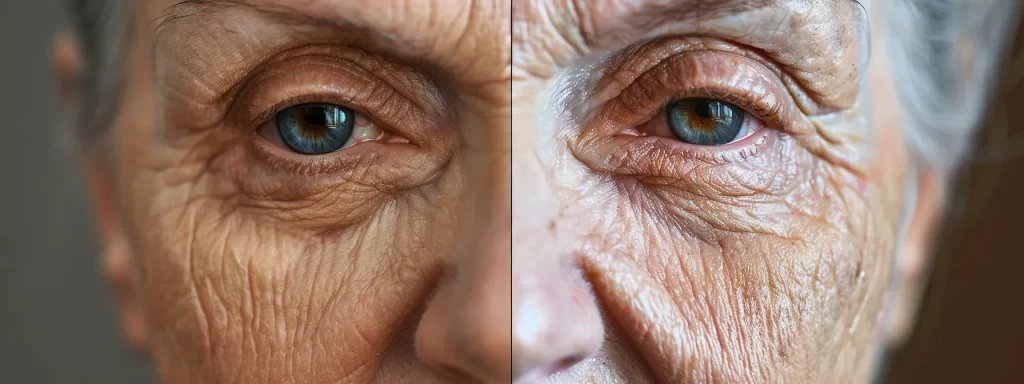
The natural aging process affects skin health through a decrease in collagen and elastin fibers, leading to sagging and wrinkles. Environmental factors, such as sun exposure and pollution, further contribute to skin damage. Common signs of aging skin include fine lines, uneven texture, and changes in pigmentation. Understanding these elements is essential for exploring effective solutions like laser treatments for rejuvenation.
The Natural Aging Process
The natural aging process significantly impacts skin health, primarily through the reduction of collagen and elastin, which are vital for maintaining skin elasticity and firmness. As individuals age, they may also experience conditions like melasma, which can be exacerbated by sun exposure and hormonal changes. Understanding these factors is crucial, as they highlight the importance of incorporating vitamins and other nutrients into skincare routines, alongside exploring minimally invasive procedures in cosmetology that can effectively address signs of aging and skin injury.
Environmental Factors Affecting Skin Health
Environmental factors play a significant role in skin health, impacting its appearance and texture. Exposure to UV radiation from the sun can lead to premature aging, causing wrinkles and pigmentation issues, particularly in individuals with darker skin tones. Additionally, pollutants in the air can damage skin cells, making it essential to consider treatments like laser hair removal, which utilizes energy to target specific areas, often requiring minimal anesthesia. Consulting with a qualified surgeon can help determine the best approach to rejuvenate the skin and address these environmental challenges effectively.
Common Signs of Aging Skin
Common signs of aging skin include fine lines, wrinkles, and telangiectasia, which are small, visible blood vessels that can appear on the face. As skin loses elasticity and moisture, often due to decreased levels of hyaluronic acid, patients may notice a dull complexion and uneven texture. Understanding these changes is essential for exploring effective treatments, such as laser therapies, which can enhance wound healing and restore a youthful appearance by stimulating collagen production.
How Laser Treatments Revitalize Skin

Laser skin rejuvenation utilizes advanced technology to stimulate collagen production, effectively reducing inflammation and improving skin texture. This method offers significant benefits over traditional anti-aging techniques, such as chemical peels and moisturizers, by targeting deeper layers of soft tissue. Various skin conditions, including fine lines and uneven pigmentation, can be improved through laser therapy, making it a valuable option for those seeking youthful skin.
The Science Behind Laser Skin Rejuvenation
The science behind laser skin rejuvenation involves the use of focused light energy to target specific skin issues, such as hyperpigmentation and fine lines. This process stimulates collagen production, which is essential for maintaining skin elasticity and firmness. Additionally, laser treatments can enhance exfoliation, helping to remove dead skin cells and improve overall texture, while also addressing hormonal changes that may contribute to skin aging.
Benefits Over Traditional Anti-Aging Methods
Laser treatments offer distinct advantages over traditional anti-aging methods, such as surgery and topical treatments. Unlike surgical options, which often require extensive recovery and nursing care, laser therapy provides a non-invasive solution with minimal downtime. Additionally, these treatments can enhance the skin’s natural antioxidant levels, promoting healthier skin while effectively addressing signs of aging, such as fine lines and uneven texture, under the guidance of a qualified physician.
Skin Conditions Improved by Laser Therapy
Laser therapy effectively addresses various skin conditions, including wrinkles, uneven texture, and pigmentation issues. By utilizing techniques such as carbon dioxide laser treatments, practitioners can promote collagen induction therapy, which stimulates the skin’s natural healing processes. This approach not only reduces the appearance of fine lines but also enhances overall skin quality, providing a non-invasive alternative to neurotoxin injections for those seeking a youthful complexion.
Exploring Different Laser Treatments for Youthful Skin
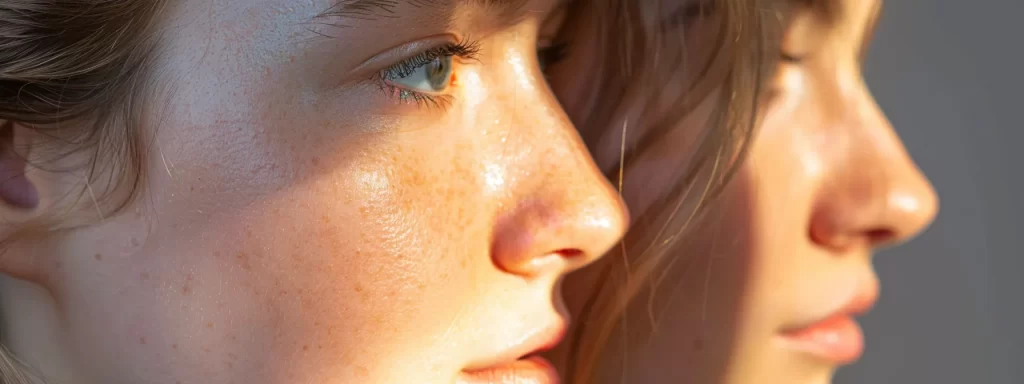
Ablative and non-ablative lasers offer distinct approaches to skin rejuvenation, each with unique benefits and risks. Fractional laser technology enhances treatment accessibility while minimizing infection risks. Intense Pulsed Light (IPL) therapy targets pigmentation and improves skin tone. Selecting the right treatment for individual skin types is crucial for achieving optimal results and promoting healthy cell growth.
Ablative vs. Non-Ablative Lasers
Ablative and non-ablative lasers serve distinct purposes in skin rejuvenation, each offering unique benefits for human skin. Ablative lasers, which remove the outer layers of skin, often require sedation due to their more invasive nature, making them suitable for significant skin issues like deep wrinkles and severe pigmentation. In contrast, non-ablative lasers work beneath the skin’s surface, promoting collagen production without damaging the outer layer, making them ideal for those seeking subtle improvements without the need for plastic surgery or extensive recovery time.
Fractional Laser Technology
Fractional laser technology represents a significant advancement in skin rejuvenation, utilizing targeted light therapy to treat specific areas of the skin without affecting the surrounding tissue. This method promotes collagen production, which is essential for restoring skin elasticity and reducing the appearance of fine lines and wrinkles. Unlike traditional injections or medications, fractional lasers offer a non-invasive solution that can enhance skin quality while minimizing downtime, making it an appealing option for those seeking a youthful complexion.
Intense Pulsed Light (IPL) Therapy
Intense Pulsed Light (IPL) therapy is a versatile treatment that utilizes a broad beam of light to target various skin concerns, including pigmentation issues and uneven skin tone. This non-invasive procedure can effectively rejuvenate the complexion on the face, neck, and other areas, providing noticeable results without the pain associated with more invasive cosmetic procedures. By stimulating collagen production, IPL therapy enhances skin texture and elasticity, making it an excellent option for those seeking a youthful appearance without the need for extensive recovery time.
Selecting the Right Treatment for Your Skin Type
Selecting the right laser treatment for individual skin types is essential for achieving optimal results and promoting healthy cell growth. For those with specific concerns, such as scars or keloids, consulting with a qualified professional can help determine the most suitable approach, whether it involves the use of trichloroacetic acid for chemical peels or laser options that may require local anesthesia. Understanding one’s skin condition and goals ensures that the chosen treatment effectively addresses issues while minimizing risks and enhancing overall skin quality.
Preparing for Your Laser Treatment Session
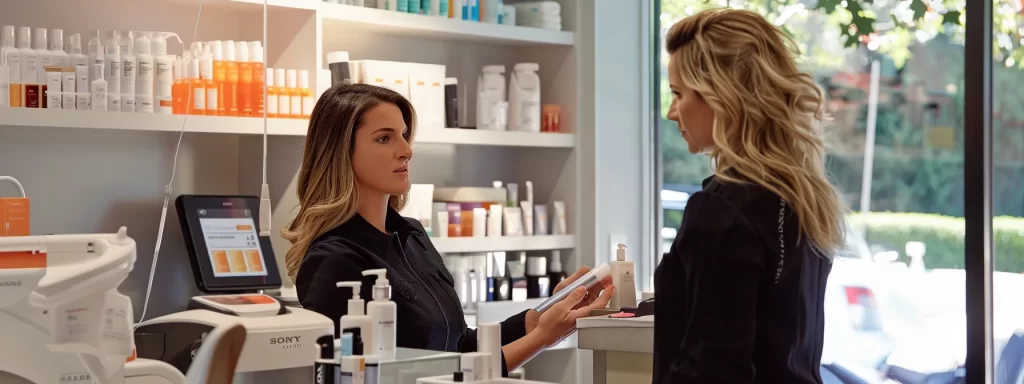
Preparing for a laser treatment session involves several key steps to ensure optimal results. First, a consultation with a skincare professional, such as a nurse practitioner, is essential to discuss individual needs and expectations. Next, following pre-treatment skin care guidelines will help enhance skin regeneration. Finally, understanding what to expect during the procedure, including the effects on facial expression and potential wound healing, will provide clarity and confidence for the treatment journey.
Consultation With a Skincare Professional
Consulting with a skincare professional is a crucial step in preparing for laser treatment, as it allows individuals to discuss their specific skin concerns, such as stretch marks or pigmentation issues. During this consultation, the professional may recommend the use of a topical anesthetic to minimize discomfort during the procedure, ensuring a more comfortable experience. Additionally, addressing potential side effects, such as itch or irritation, helps set realistic expectations and prepares clients for the healing process, ultimately enhancing the effectiveness of the treatment and promoting the production of elastin for healthier skin.
Pre-Treatment Skin Care Guidelines
Prior to undergoing laser treatments for facial rejuvenation, individuals should adhere to specific pre-treatment skin care guidelines to optimize results. It is advisable to avoid products containing toxins or harsh chemicals that may irritate the epidermis, as well as to limit sun exposure to reduce melanin production, which can lead to pigmentation issues. Additionally, incorporating gentle cleansers and moisturizers into the daily routine can help prepare the skin for photorejuvenation, ensuring a smoother treatment experience and enhancing overall skin health.
What to Expect During the Procedure
During the laser treatment procedure, patients can expect a focused application of light energy to the skin, targeting the dermis to stimulate collagen production. The sensation may vary from mild discomfort to a slight stinging, similar to a rubber band snapping against the skin. Health care professionals often apply a topical anesthetic to minimize any pain, ensuring a more comfortable experience, especially for those concerned about skin cancer or other skin conditions. Following the treatment, some redness and swelling may occur, but these effects typically subside quickly, allowing individuals to enjoy the rejuvenating benefits of laser ablation without significant downtime.
Post-Treatment Care and Recovery

Post-treatment care is crucial for achieving a rejuvenated complexion after laser treatments. This section will cover managing side effects and discomfort, essential aftercare practices for optimal healing, and the timeline for visible improvements. Following guidelines from the American Academy of Dermatology can enhance recovery and ensure the best results for various skin conditions. Understanding these aspects is vital for anyone looking to maintain their skin’s health and appearance after Appointments.
Managing Side Effects and Discomfort
After undergoing laser treatments, managing side effects and discomfort is essential for a smooth recovery. Patients may experience mild redness, swelling, or a sensation similar to a sunburn, which can be alleviated with cool compresses and over-the-counter pain relief. For personalized advice and support during the recovery process, individuals are encouraged to Contact Us, ensuring they receive the best care tailored to their specific needs.
Essential Aftercare Practices for Optimal Results
Essential aftercare practices play a vital role in achieving optimal results following laser treatments for skin rejuvenation. Patients should prioritize gentle cleansing and moisturizing to support healing and maintain skin hydration. Additionally, avoiding sun exposure and using broad-spectrum sunscreen can protect the treated area, minimizing the risk of pigmentation changes and ensuring a youthful complexion is preserved.
Timeline for Visible Improvements
After laser treatments, individuals can typically expect to see initial improvements in their skin within a few days, as redness and swelling subside. Full results often become apparent within three to six months, as collagen production continues to enhance skin texture and elasticity. Understanding this timeline helps manage expectations and encourages individuals to maintain their post-treatment care routine for optimal rejuvenation and a youthful complexion.
Maintaining Youthful Skin After Laser Treatments

Maintaining youthful skin after laser treatments involves a comprehensive approach that includes combining laser therapy with effective skincare regimens. Adopting lifestyle habits that enhance skin health, such as proper hydration and nutrition, is essential. Additionally, scheduling follow-up treatments can help sustain the rejuvenating effects of laser therapy, ensuring long-lasting results and a vibrant complexion.
Combining Laser Therapy With Skincare Regimens
Combining laser therapy with a tailored skincare regimen is essential for maintaining youthful skin after treatments. A consistent routine that includes gentle cleansers, hydrating serums, and broad-spectrum sunscreen can enhance the results of laser treatments by promoting skin health and protecting against environmental damage. By integrating these practices, individuals can maximize the benefits of their laser sessions, ensuring a radiant complexion that lasts longer.
Lifestyle Habits That Enhance Skin Health
Adopting healthy lifestyle habits is essential for enhancing skin health after laser treatments. Regular hydration plays a crucial role in maintaining skin elasticity and preventing dryness, while a balanced diet rich in antioxidants can support skin repair and rejuvenation. Incorporating daily sun protection, such as broad-spectrum sunscreen, further safeguards the skin from UV damage, ensuring that the results of laser therapy are preserved and the complexion remains youthful.
Scheduling Follow-Up Treatments for Lasting Effects
Scheduling follow-up treatments is essential for maintaining the results achieved through laser skin rejuvenation. These sessions help to reinforce collagen production and address any lingering skin concerns, ensuring that the skin remains youthful and vibrant. By working closely with a skincare professional, individuals can create a personalized treatment plan that optimally supports their skin’s health and enhances the longevity of their rejuvenated complexion.
Conclusion
Laser treatments offer a powerful solution for rejuvenating the complexion and combating the signs of aging. By stimulating collagen production and addressing various skin concerns, these advanced therapies provide noticeable improvements with minimal downtime. Incorporating laser treatments into a comprehensive skincare routine enhances overall skin health and maintains a youthful appearance. Embracing these innovative options empowers individuals to achieve their desired skin goals and enjoy lasting results.