
What 20 Years of Botox Actually Does to Your Face
May 28, 2026
An honest look at what cumulative Botox use does to the face over a decade or more — and why a growing number of women in their 50s, 60s, and 70s are quietly stepping off the injectable treadmill.
Botox has been FDA-approved for cosmetic use since 2002. For the first generation of women who started using it in their 30s and 40s, twenty-plus years have now passed. That means we finally have real-world data on what happens to a face after two decades of consistent injection.
The conversation around long-term Botox use is largely missing from the aesthetic industry, because the industry depends on the repeat-visit model. But quietly, in private conversations and increasingly in academic dermatology research, a clearer picture is emerging.
What Botox Actually Does at the Cellular Level
Botulinum toxin type A (the active compound in Botox, Dysport, Xeomin, and Daxxify) works by blocking the release of acetylcholine at the neuromuscular junction. In plain language: it prevents the nerve from telling the muscle to contract.
For a few months, this paralyzes the targeted muscle. The wrinkle that the muscle produces (the “11” between the brows, forehead lines, crow’s feet) softens because the muscle isn’t pulling the skin into a crease.
Then the nerve regenerates. The muscle starts contracting again. The wrinkle returns. So you go back in for another injection.
This cycle is designed to repeat indefinitely, every 3-4 months.
📖 Confused by the terminology? Check our complete skin-tightening glossary for plain-language explanations of every term you’ll encounter while researching.
Four Things That Happen After 10-20+ Years
1. Muscle Atrophy
Muscles that aren’t used become weaker over time. This is true everywhere in the body, and it’s true for facial muscles too. After 10-15 years of consistent Botox use, the targeted muscles measurably shrink.
For some women, this is initially welcome — less muscle bulk in the forehead can mean smoother skin. But the long-term consequence is that the underlying support structure of the face changes shape. Some women describe their face as looking “flatter” or “different” over time, even when they aren’t actively getting injected.
2. Compensation by Other Muscles
When one set of muscles is paralyzed, the body uses other muscles to make the expressions it needs to make. Many long-term Botox clients develop new wrinkle patterns in areas that weren’t previously a problem — bunny lines on the nose, lines extending past the corners of the eyes, or new lines around the mouth.
This is one reason that long-term injectable clients often find themselves needing injection in more areas than they did initially. The treatment plan keeps expanding.
3. Skin Quality Continues to Decline
This is the most important point. Botox paralyzes muscle. It does nothing to the skin itself. While you’ve been maintaining the appearance of fewer wrinkles for twenty years, the underlying skin has continued to lose collagen, elastin, and structural integrity at the normal aging rate.
The result is that many long-term Botox users in their 60s and 70s find themselves in a difficult position. The skin is now significantly thinner and less elastic than it was when they started, and Botox no longer produces the same effect because the wrinkles are now baked into the skin itself, not just expression lines.
4. The Cumulative Financial Cost
The math is sobering. The average maintenance dose for a woman managing forehead, glabella (the “11”), and crow’s feet is 40-60 units per visit, at $12-25 per unit. That’s $480-$1,500 per session.
At quarterly maintenance (the typical schedule), that’s $1,920-$6,000 per year. Over twenty years, the cumulative spend ranges from $38,000 to $120,000 — without including filler, which most long-term Botox clients also receive.
And at the end of those twenty years, you have no underlying improvement to show for it. The investment built nothing permanent.
What Happens If You Stop?
This is one of the most common questions we hear from women considering an exit. The answer is mostly good news.
Within 3-4 months: The Botox wears off completely. Muscle function returns. Expression returns. Wrinkles that the Botox was masking become visible again.
Within 6-12 months: The atrophied muscles begin to rebuild some tone. Facial expressions feel more natural. Many clients describe their face as looking “more like them” again.
Within 12-24 months: If combined with a treatment that triggers collagen production (such as the Butterfly Facelift®), the underlying skin structure begins improving. This is often when women report finally feeling like their face is moving in a positive direction instead of just being maintained.
The Alternative: Treatments That Build Instead of Mask
The fundamental issue with Botox is that it masks aging rather than addressing it. Treatments that trigger your own collagen response — like the Butterfly Facelift® — do the opposite: they rebuild the underlying structure of the skin by stimulating and supporting your body’s natural healing response.
The Butterfly Facelift® combines up to seven advanced skin-tightening technologies in a single 2.5-hour session (all seven in the Signature Butterfly Facelift®). No Botox. No fillers. No cosmetic injections. The result is real tissue improvement that compounds over time, rather than a temporary mask that requires perpetual maintenance.
Individual results vary.
Many of our clients begin combining the Butterfly Facelift® with their existing injectable routine, then gradually space their injection appointments further apart as their natural collagen rebuilds. Some discontinue injectables entirely after a year or two. Others continue both. There is no judgment in either direction.
What we offer is a different conversation: not “more Botox” or “less Botox” but “what does your face actually need?”
If This Resonates With You
You don’t have to quit cold turkey. You don’t have to make any single decision today. You can simply explore.
Book a free, no-pressure consultation with James Hooper — Founder and Sole Creator of the Butterfly Facelift®, whose background was built over more than 30 years in advanced wellness and non-surgical rejuvenation. He’ll look at your specific skin, your history with injectables, and your goals. Then he’ll tell you honestly what he’d recommend — or recommend something else if the Butterfly Facelift® isn’t the right fit.
See real results: softening the look of unwanted filler — real before & after photos »
Newport Beach Skin Tightening is located at 3151 Airway Ave, Bldg K106, Costa Mesa, CA 92626. The technologies we use have been featured on Dr. Oz, The Doctors, and LA Channel 11 News.
Questions, Answered
Frequently Asked Questions
Will my wrinkles look worse when I stop Botox?+
Initially, yes — the wrinkles that the Botox was masking become visible again. But within 6-12 months, as the atrophied muscles regain tone and (if combined with collagen-stimulating treatments) the underlying skin improves, most clients feel their overall appearance is significantly better than during active Botox use.
Is there a way to test what my face looks like without Botox before committing to stopping?+
Yes — simply wait one full cycle (3-4 months) without a top-up injection. Your face during the natural recovery period is what your face actually looks like without Botox at this point. From there, you can decide whether to resume or explore alternatives.
Can the Butterfly Facelift® produce the same effect as Botox?+
Differently. Botox paralyzes muscles. The Butterfly Facelift® tightens, lifts, and rebuilds the underlying skin structure. The result is more natural-looking — not frozen, not puffy — but it requires your body to do the work. Most clients see visible same-day results that continue improving over 3-6 months.
Am I too old to switch?+
No. The Butterfly Facelift® is fully effective for women in their 60s, 70s, and beyond. In fact, clients who have spent decades on injectables often benefit more from a collagen-stimulating protocol than younger clients, because their underlying skin has more to gain from real tissue improvement.
Related Reading
Located in the Heart of Orange County
Newport Beach Skin Tightening serves clients across Orange County. Consultations and treatments are available by appointment at both our Newport Beach Corporate Office & Facility and Costa Mesa Private Studio & Facility. We’ll confirm the appropriate location for your selected service when your appointment is scheduled. We are conveniently located near Newport Beach, Costa Mesa, Irvine, Corona del Mar, Newport Coast, and surrounding Orange County communities. The technologies we use have been featured on Dr. Oz, The Doctors, and LA Channel 11 News. Book a free consultation with James Hooper, Founder and Sole Creator of the Butterfly Facelift®, by requesting a free consultation online, calling 949-500-0719, or visiting our Contact page.
Related Articles

The Butterfly Facelift® Explained: How Six Technologies Lift in One Session
June 5, 2026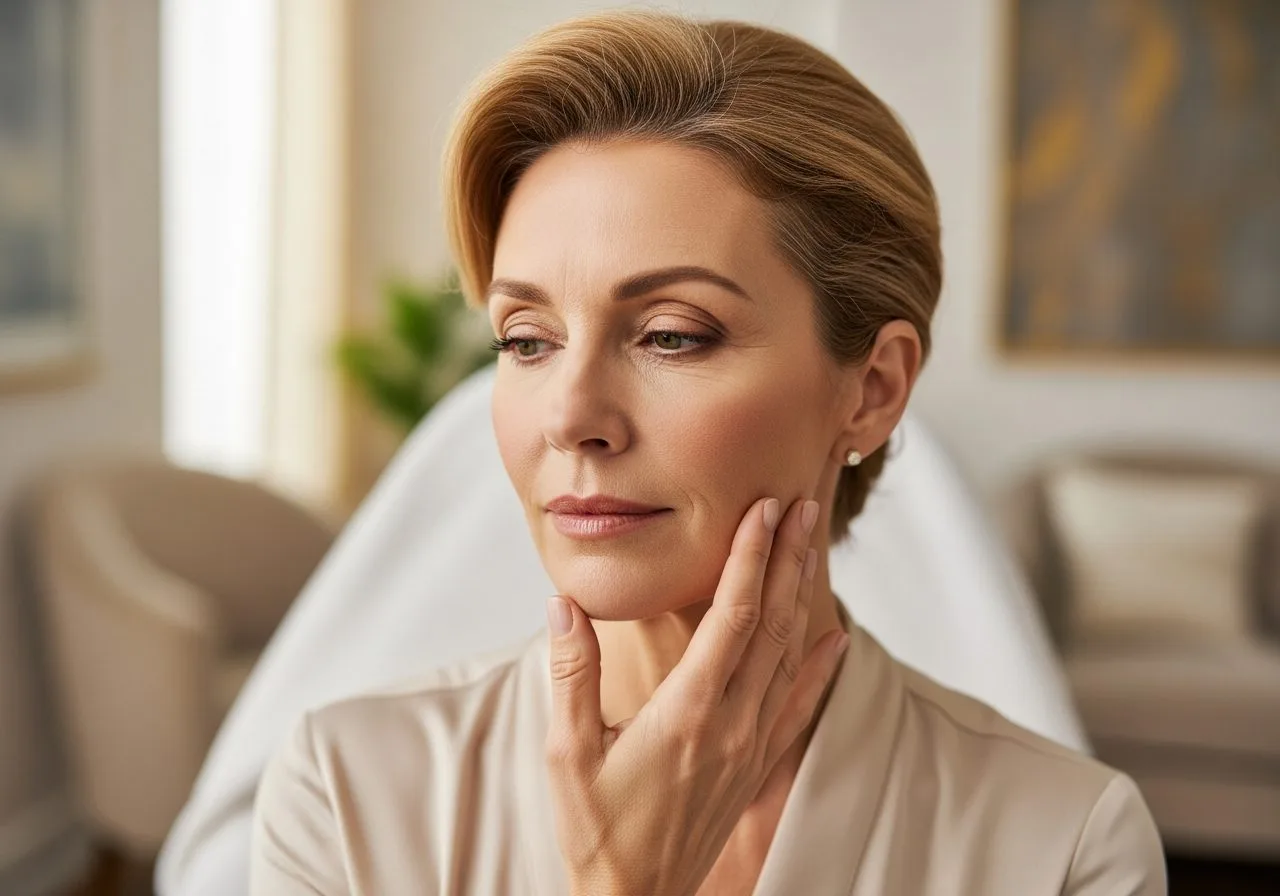
Skin Tightening by Decade: What Actually Works in Your 40s, 50s & 60s
June 5, 2026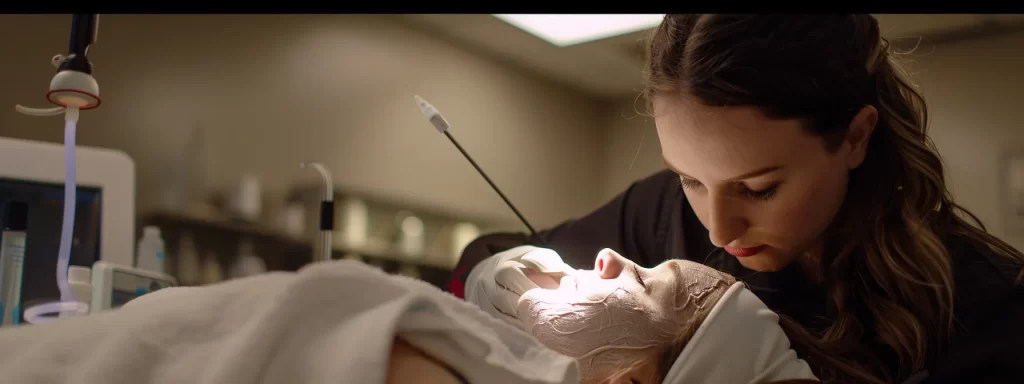
What to Expect on Your Butterfly Facelift® Treatment Day: An Hour-by-Hour Guide
May 28, 2026Your Consultation Awaits
Ready to See Real Results?
Book a free, no-pressure consultation with James Hooper, Founder and Sole Creator of the Butterfly Facelift®. Consultations and treatments are available by appointment at both our Newport Beach Corporate Office & Facility and Costa Mesa Private Studio & Facility. We’ll confirm the appropriate location for your selected service when your appointment is scheduled.
A consultation does not guarantee candidacy or results. Individual experiences vary.