Laser Neck Tightening Techniques: An in-Depth Comparative Guide

a futuristic-looking laser machine targeting the neck area with precision and intensity.

ο»Ώ

Are you concerned about sagging skin on your neck and looking for effective neck tightening treatments? Many individuals seek non-surgical options to achieve a more youthful appearance. This guide will explore various laser neck tightening techniques, including ablative and non-ablative methods, as well as fractional treatments. Readers will gain insights into the efficacy and outcomes of each approach, helping them make informed decisions. By understanding these options, individuals can address their skin concerns and enhance their facial rejuvenation journey. For personalized advice, feel free to contact us.

Introduction to Laser Neck Tightening Techniques

a focused laser beam delicately rejuvenates and lifts the skin on a neck, enhancing its texture and reducing wrinkles.

Neck skin laxity can result from various factors, including aging and sun exposure. Laser technology effectively targets neck wrinkles by stimulating collagen production, promoting healing in the treatment area. This method offers several advantages over traditional techniques, such as reduced risk of wound complications and minimal impact on surrounding muscle tissue. The following sections will delve deeper into these aspects. contact us.

Exploring the Causes of Neck Skin Laxity

Neck skin laxity is primarily influenced by factors such as aging, sun exposure, and lifestyle choices. As individuals age, the skin loses collagen and elastin, leading to wrinkles and sagging. Additionally, environmental factors like UV radiation can accelerate this process, causing further damage and inhibiting effective wound healing. Understanding these causes is essential for selecting the appropriate treatment, as laser neck tightening techniques can effectively address these issues without the need for invasive surgery.

How Laser Technology Targets Neck Wrinkles

Laser technology, particularly erbium lasers, effectively targets neck wrinkles by delivering precise energy to the skin’s surface. This process stimulates collagen production at the cellular level, enhancing skin elasticity and firmness. Additionally, when combined with techniques like radio frequency and CoolSculpting, the efficacy of neck tightening treatments can be significantly improved, providing a comprehensive approach to rejuvenating the neck area.

Advantages of Laser Procedures Over Traditional Methods

Laser procedures for neck tightening offer several advantages over traditional methods, significantly enhancing patient satisfaction. Unlike invasive techniques that often require the use of a cannula and can lead to complications such as edema, laser treatments minimize discomfort and recovery time. Additionally, the longevity of results from laser treatments is often superior, as they stimulate collagen production, promoting lasting skin firmness without the need for drugs or extensive aftercare.

Overview of Ablative Laser Neck Tightening

a close-up photo of a co2 laser targeting skin imperfections on a patient's neck, with the bright beam of light illuminating the treatment area.

Overview of Ablative Laser Neck Tightening

Ablative laser neck tightening, particularly through CO2 laser treatments, effectively addresses skin laxity and imperfections such as scars and stretch marks. The procedure involves several steps, including skin preparation and targeted laser application, which a qualified physician performs. Recovery expectations vary, but understanding the process helps patients manage their weight and fat concerns post-treatment.

Understanding CO2 Laser Treatments

CO2 laser treatments are a popular choice for addressing skin laxity in the neck area, particularly around the chin. This procedure works by targeting the dermis, stimulating collagen production, and promoting skin tightening. While some patients may experience discomfort during the treatment, the pain is generally manageable, and the downtime is relatively short compared to traditional surgical options, making it an appealing solution for those seeking effective neck rejuvenation.

Procedure Steps for Ablative Lasers

The procedure for ablative laser neck tightening typically begins with a thorough consultation to develop a custom treatment plan tailored to the patient‘s specific needs. During the treatment, the physician applies the CO2 laser to the targeted areas, effectively penetrating the skin to stimulate collagen production while minimizing damage to surrounding tissues. This method is particularly beneficial for individuals with dark skin, as it can be adjusted to ensure safety and efficacy, especially when addressing concerns related to adipose tissue and skin laxity.

Recovery Expectations After Treatment

Recovery after ablative laser neck tightening typically involves wearing a compression garment to support the healing of soft tissue and enhance results. Patients can expect some swelling and redness, which usually subsides within a few days, allowing them to gradually return to their normal lifestyle. Engaging in gentle therapy, such as light massage, can further aid in recovery and improve skin texture, ensuring that the treatment meets its gold standard in effectiveness.

Non-Ablative Laser Techniques for Neck Rejuvenation

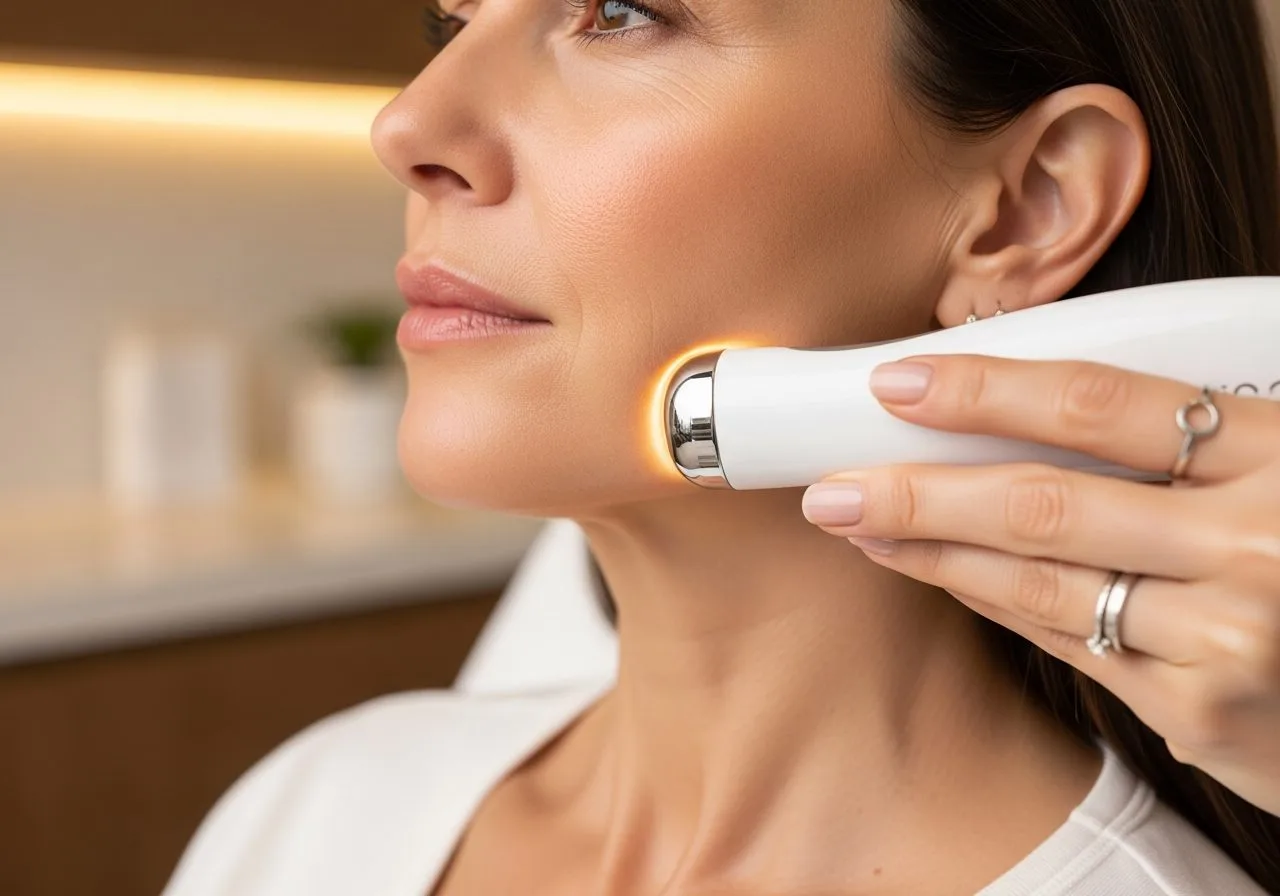
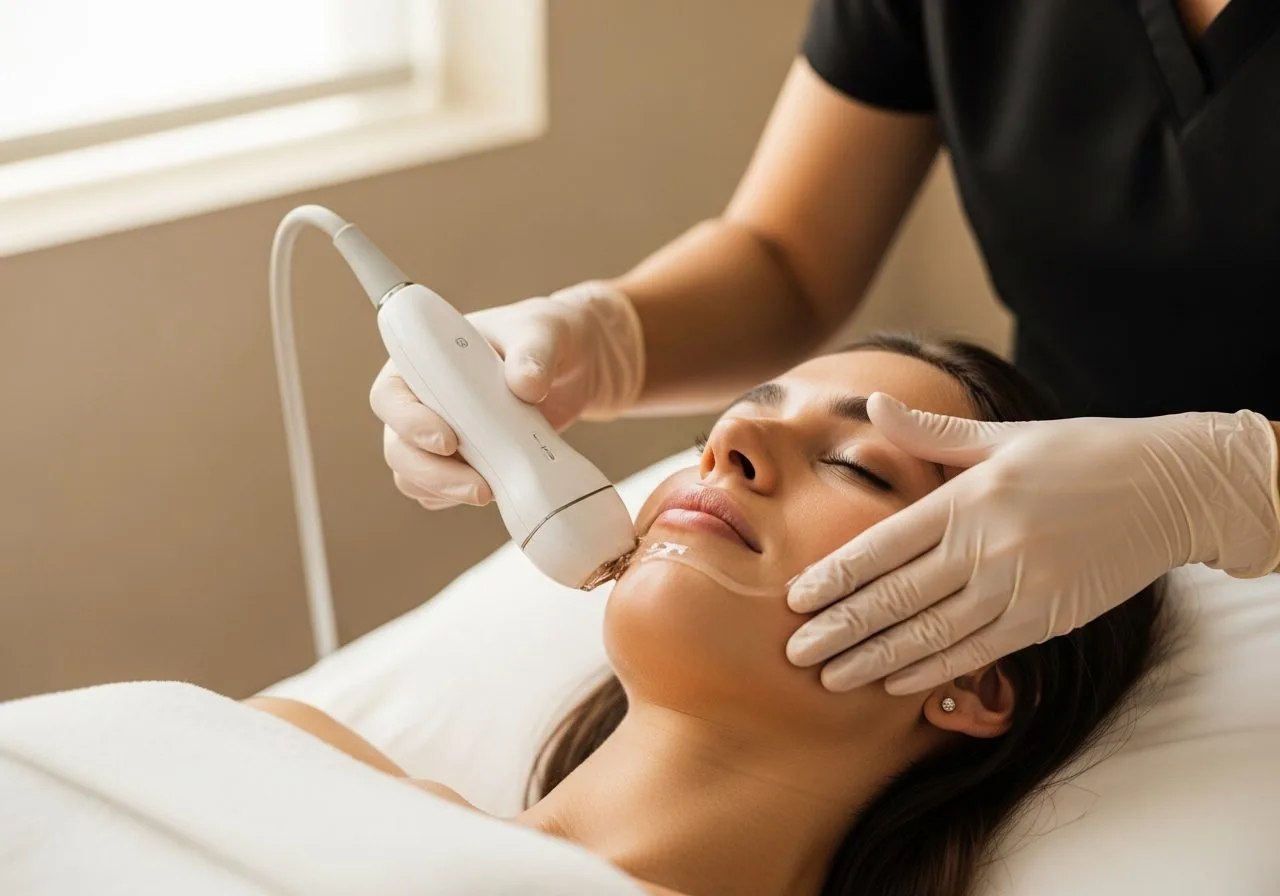
a patient receiving a non-ablative laser treatment on their neck, with gentle ultrasound energy stimulating collagen production, showcasing a safe and effective rejuvenation process.

Non-Ablative Laser Techniques for Neck Rejuvenation

Non-ablative laser techniques utilize ultrasound energy to stimulate collagen production without damaging the skin’s surface. The treatment process involves minimal downtime, allowing patients to resume daily activities quickly. This section will compare the results of non-ablative methods with ablative techniques, highlighting their effectiveness and safety, while addressing concerns such as infection and recovery expectations.

How Non-Ablative Lasers Stimulate Collagen

Non-ablative lasers stimulate collagen production by delivering energy deep into the skin without damaging the surface. This minimally invasive procedure encourages the body’s natural healing response, leading to skin rejuvenation and improved elasticity over time. Unlike more invasive options such as liposuction or the use of botulinum toxin, non-ablative laser treatments offer a safer alternative with minimal downtime, making them an appealing choice for individuals seeking effective neck tightening solutions.

Treatment Process and What to Anticipate

The treatment process for non-ablative laser techniques typically begins with a thorough consultation, where a qualified practitioner assesses the patient‘s skin condition and discusses expectations. During the procedure, energy is delivered to the deeper layers of the skin, stimulating collagen and elastin production without damaging the surface, which is particularly beneficial for tightening the platysma muscle in the neck area. Patients can anticipate minimal discomfort and downtime, allowing them to return to their daily activities quickly, making this approach a favorable alternative to more invasive options like plastic surgery.

Comparing Results With Ablative Methods

When comparing non-ablative laser techniques to ablative methods, it is essential to consider the differences in results and recovery. Non-ablative treatments, which stimulate collagen production without damaging the skin’s surface, typically offer a gentler approach with less downtime, making them suitable for individuals seeking subtle improvements without the need for reconstructive surgery or procedures like platysmaplasty. While ablative methods may provide more dramatic results, they often require longer recovery periods and can involve more discomfort, making non-ablative options appealing for those who prefer a less invasive solution with minimal tissue disruption.

Fractional Laser Treatments: A Blend of Both Worlds

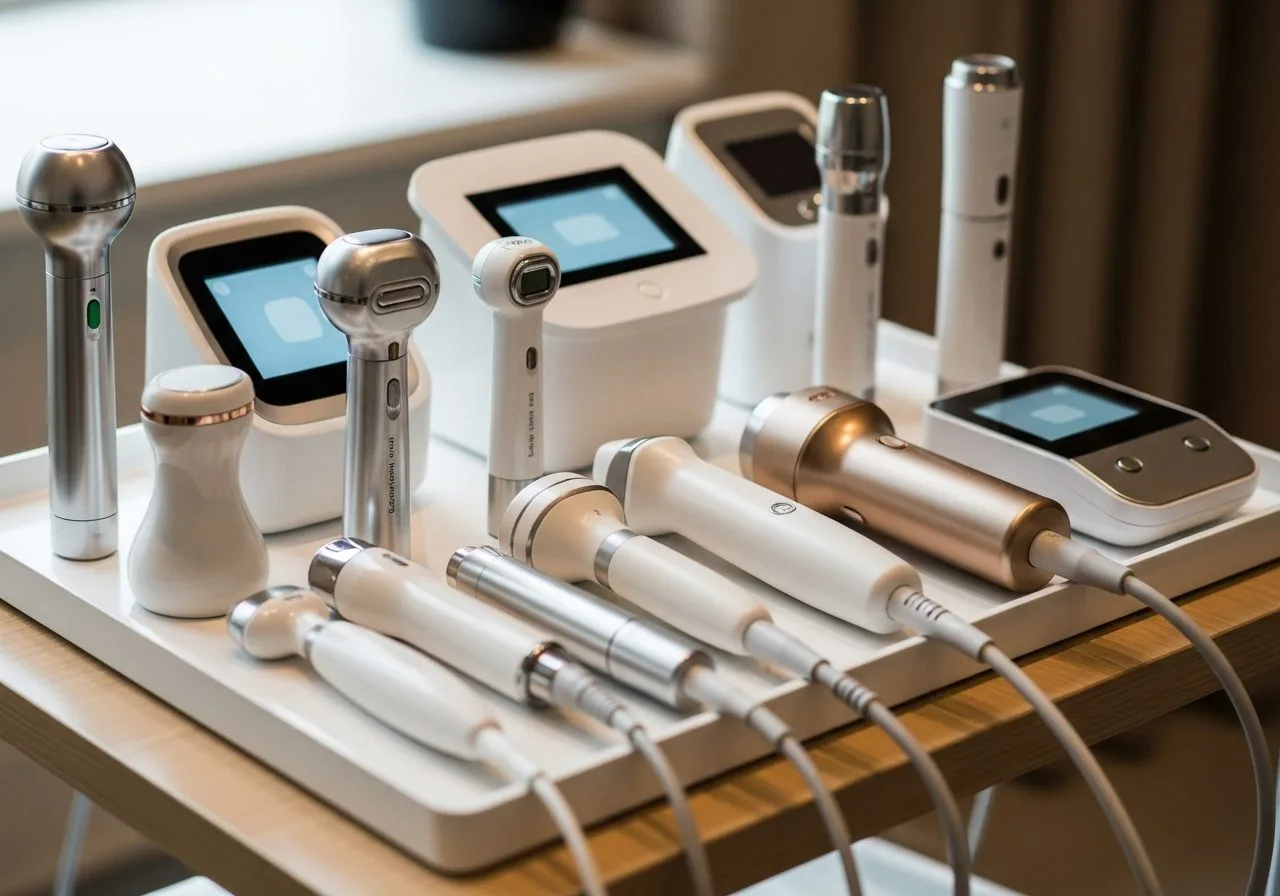
a focused beam of fractional laser light gently tightens the skin on a neck, with a backdrop of scientific equipment in a modern clinic.

Fractional Laser Treatments: A Blend of Both Worlds

Fractional laser treatments combine the benefits of both ablative and non-ablative techniques, offering effective skin tightening for the neck area. This section will explore the science behind fractional lasers, highlighting their ability to stimulate collagen production while minimizing downtime. Additionally, it will cover the advantages of these techniques for skin rejuvenation and the essential post-treatment care needed to maintain results.

The Science Behind Fractional Lasers

Fractional lasers operate by delivering targeted energy to specific areas of the skin, creating micro-injuries that stimulate the body’s natural healing response. This process enhances collagen production, improving skin elasticity and overall skin condition without the extensive downtime associated with traditional plastic surgery. By combining the benefits of both ablative and non-ablative techniques, fractional lasers provide an effective body contouring solution that addresses various skin concerns while minimizing discomfort and recovery time.

Benefits of Fractional Techniques for Skin Tightening

Fractional laser treatments offer significant benefits for skin tightening by effectively targeting the superficial muscular aponeurotic system, which plays a crucial role in maintaining skin structure. This technique minimizes inflammation and promotes healing, allowing for a smoother recovery compared to traditional methods. Additionally, fractional lasers can enhance the effects of deoxycholic acid injections, which facilitate lipolysis, further improving the overall contour of the neck area without the need for extensive anesthesia or invasive procedures.

Post-Treatment Care and Maintenance

Post-treatment care is crucial for patients who undergo fractional laser treatments for neck tightening. After the procedure, the epidermis may be sensitive, requiring gentle cleansing and the application of a soothing moisturizer to promote healing. Patients should also avoid sun exposure and use sunscreen diligently, as protecting the treated area is essential for optimal results and to prevent complications often associated with facial plastic surgery.

Comparing Efficacy and Outcomes of Different Laser Techniques

a close-up shot of a woman's smooth and tightened neck after undergoing different laser techniques.

This section evaluates the efficacy and outcomes of various laser neck tightening techniques. It will assess both short-term and long-term results, providing insights into how each method performs over time. Additionally, the discussion will cover downtime and recovery periods associated with each technique, along with patient satisfaction rates, highlighting the overall effectiveness and appeal of these treatments for individuals seeking non-invasive solutions.

Assessing Short-Term and Long-Term Results

When assessing the short-term and long-term results of laser neck tightening techniques, it is essential to consider both immediate improvements and sustained effects over time. Short-term results often include visible tightening and a reduction in wrinkles, typically noticeable within a few weeks post-treatment. In contrast, long-term outcomes depend on the individual’s skin type and adherence to post-treatment care, with many patients experiencing continued collagen production and skin elasticity improvements for several months or even years after the procedure. Understanding these dynamics helps potential patients set realistic expectations and choose the most suitable laser technique for their specific needs.

Evaluating Downtime and Recovery Periods

Evaluating downtime and recovery periods is crucial for individuals considering laser neck tightening techniques. Ablative methods, such as CO2 laser treatments, typically require a longer recovery time, often involving several days of redness and swelling, while non-ablative techniques offer a quicker return to daily activities with minimal discomfort. Understanding these differences allows potential patients to make informed decisions based on their lifestyle and desired outcomes, ensuring they choose a method that aligns with their recovery preferences.

Patient Satisfaction Rates Across Techniques

Patient satisfaction rates for laser neck tightening techniques vary significantly based on the method used. Studies indicate that non-ablative treatments often yield high satisfaction due to their minimal downtime and effective results, appealing to those seeking subtle improvements without extensive recovery. In contrast, while ablative techniques may provide more dramatic outcomes, they can involve longer recovery periods, which may affect overall satisfaction for some patients. Understanding these dynamics helps individuals make informed choices aligned with their expectations and lifestyle needs.

Choosing the Right Laser Neck Tightening Method for You

a laser specialist carefully examining a patient's neck skin type, discussing personalized treatment options in a modern clinic setting.

Choosing the right laser neck tightening method involves several key considerations. Factors such as skin type play a crucial role in determining the most effective treatment. Consulting with a qualified laser specialist ensures personalized recommendations tailored to individual needs. Additionally, setting clear goals and expectations for treatment helps patients understand what results to anticipate, guiding them toward the best option for their rejuvenation journey.

Factors to Consider Based on Skin Type

When selecting a laser neck tightening method, skin type is a critical factor that influences treatment effectiveness and safety. For instance, individuals with darker skin tones may benefit more from non-ablative techniques, as these methods reduce the risk of hyperpigmentation and other complications. Conversely, those with lighter skin may find ablative treatments, such as CO2 laser procedures, to be effective in achieving more dramatic results. Consulting with a qualified specialist can help tailor the approach to each individual’s unique skin characteristics, ensuring optimal outcomes and satisfaction.

Consulting With a Qualified Laser Specialist

Consulting with a qualified laser specialist is essential for individuals considering laser neck tightening techniques. These professionals possess the expertise to assess skin type, discuss treatment options, and tailor a plan that aligns with the patient‘s specific goals. By engaging in a thorough consultation, patients can gain valuable insights into the most suitable methods for their unique needs, ensuring a safe and effective approach to rejuvenating the neck area.

Setting Goals and Expectations for Treatment

Setting clear goals and expectations for laser neck tightening treatment is essential for achieving desired outcomes. Patients should consider their specific concerns, such as skin laxity or wrinkles, and communicate these during consultations with qualified specialists. By establishing realistic expectations regarding the results and recovery time, individuals can make informed decisions about which laser technique best aligns with their rejuvenation objectives, ultimately enhancing satisfaction with the treatment process.

Conclusion

Laser neck tightening techniques offer effective solutions for addressing skin laxity and enhancing overall appearance without the need for invasive surgery. Understanding the differences between ablative and non-ablative methods empowers individuals to make informed decisions tailored to their specific skin types and goals. Consulting with qualified specialists ensures personalized treatment plans that maximize results and satisfaction. Embracing these advanced techniques can significantly rejuvenate the neck area, promoting confidence and a youthful look.