ο»Ώ
Are you looking for a non-surgical solution to tighten your skin and reduce signs of aging? Recent advances in microneedling technology offer innovative options that can help. This article will explore the latest microneedling devices, cutting-edge techniques, and breakthrough materials that enhance results. Readers will gain insights into how these advancements can improve skin texture and firmness, addressing common concerns about aging skin. By understanding these developments, individuals can make informed decisions about their skin tightening options, ultimately leading to a more youthful appearance.
Understanding the Revolution in Skin Tightening Through Microneedling
Microneedling technology represents a significant advancement in skin tightening methods. This section will explore the science behind microneedling, comparing traditional techniques with modern approaches. It will also highlight the key benefits of advanced microneedling, including its effectiveness in treating skin issues like carcinoma and its synergy with treatments such as amphotericin b and kinase therapies. Understanding these elements is essential for anyone considering skin rejuvenation options. For more information or Appointments, Contact Us.
The Science Behind Microneedling Technology
Microneedling technology utilizes fine needles to create micro-injuries in the skin, stimulating the body’s natural healing process. This technique enhances the absorption of topical cosmetics, such as serums enriched with vitamin A, which can improve skin texture and firmness. Recent advancements, including the use of polyethylene in microneedling devices and the integration of 3D printing for customized needle configurations, have further optimized treatment outcomes, making it a compelling option for those seeking effective skin tightening solutions.
Comparing Traditional and Modern Skin Tightening Methods
Traditional skin tightening methods, such as laser hair removal and radio frequency treatments, often rely on energy storage techniques to stimulate collagen production. While these methods can be effective, they may not provide the same level of precision and customization as modern microneedling technology. Microneedling, by creating micro-injuries in the skin, encourages the release of growth hormone and enhances the absorption of topical treatments, leading to improved skin texture and firmness without the downtime associated with more invasive procedures.
Key Benefits of Advanced Microneedling
Advanced microneedling offers several key benefits that enhance skin tightening results. One significant advantage is its ability to incorporate exosome therapy, which utilizes cellular signaling molecules to promote healing and rejuvenation. This innovative approach, combined with a well-researched database of treatment protocols tailored to different skin species, allows practitioners to customize treatments effectively. Additionally, the use of specialized coatings on microneedles can improve the delivery of serums, ensuring that active ingredients penetrate deeply for optimal results.
Exploring the Latest Microneedling Devices and Equipment
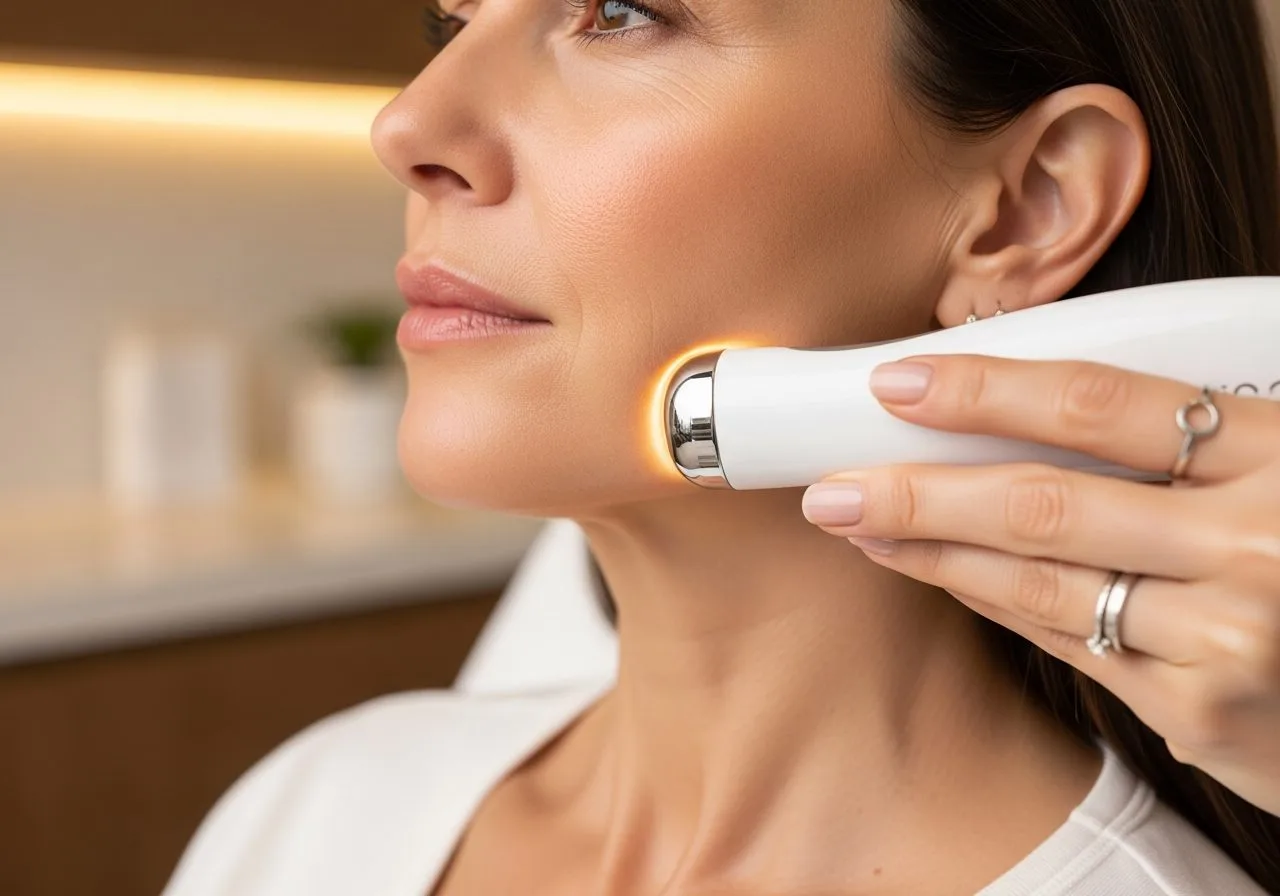
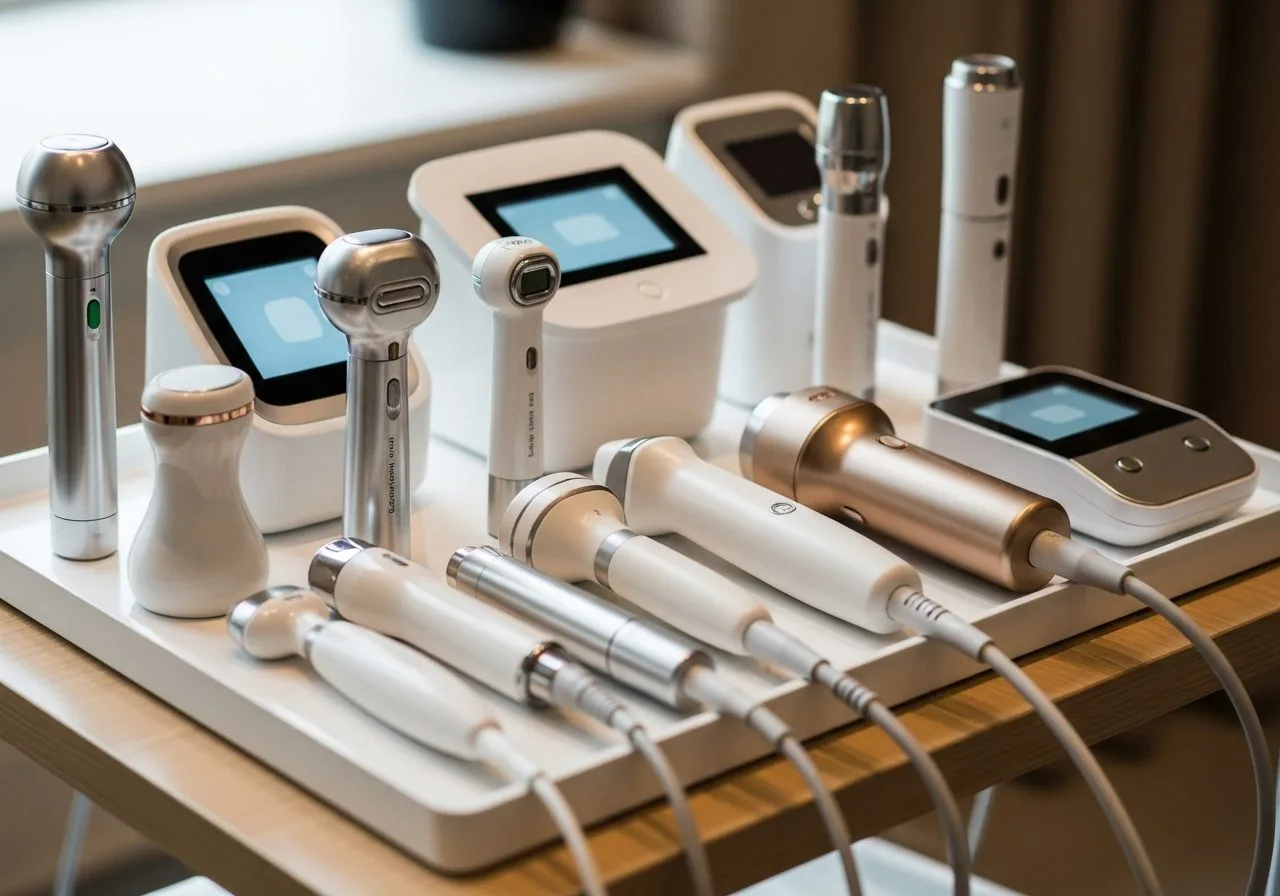
Recent innovations in microneedling pen designs have significantly enhanced treatment precision and comfort. The integration of radiofrequency with microneedling offers a dual approach to stimulate fibroblast activity, promoting collagen production. Advancements in needle technology and safety features ensure effective and secure procedures. Additionally, user-friendly features in new devices simplify the treatment process, making it accessible for practitioners and clients alike.
Innovations in Microneedling Pen Designs
Recent innovations in microneedling pen designs have significantly improved treatment outcomes and patient comfort. These advanced devices often feature a specialized coat that enhances the precision of hypodermic needles, allowing for more effective penetration of serums and treatments. By integrating technologies that promote the quality of life for patients, such as the ability to combine treatments like cisplatin with microneedling, practitioners can offer tailored solutions that address specific skin concerns while ensuring safety and efficacy.
Integration of Radiofrequency With Microneedling
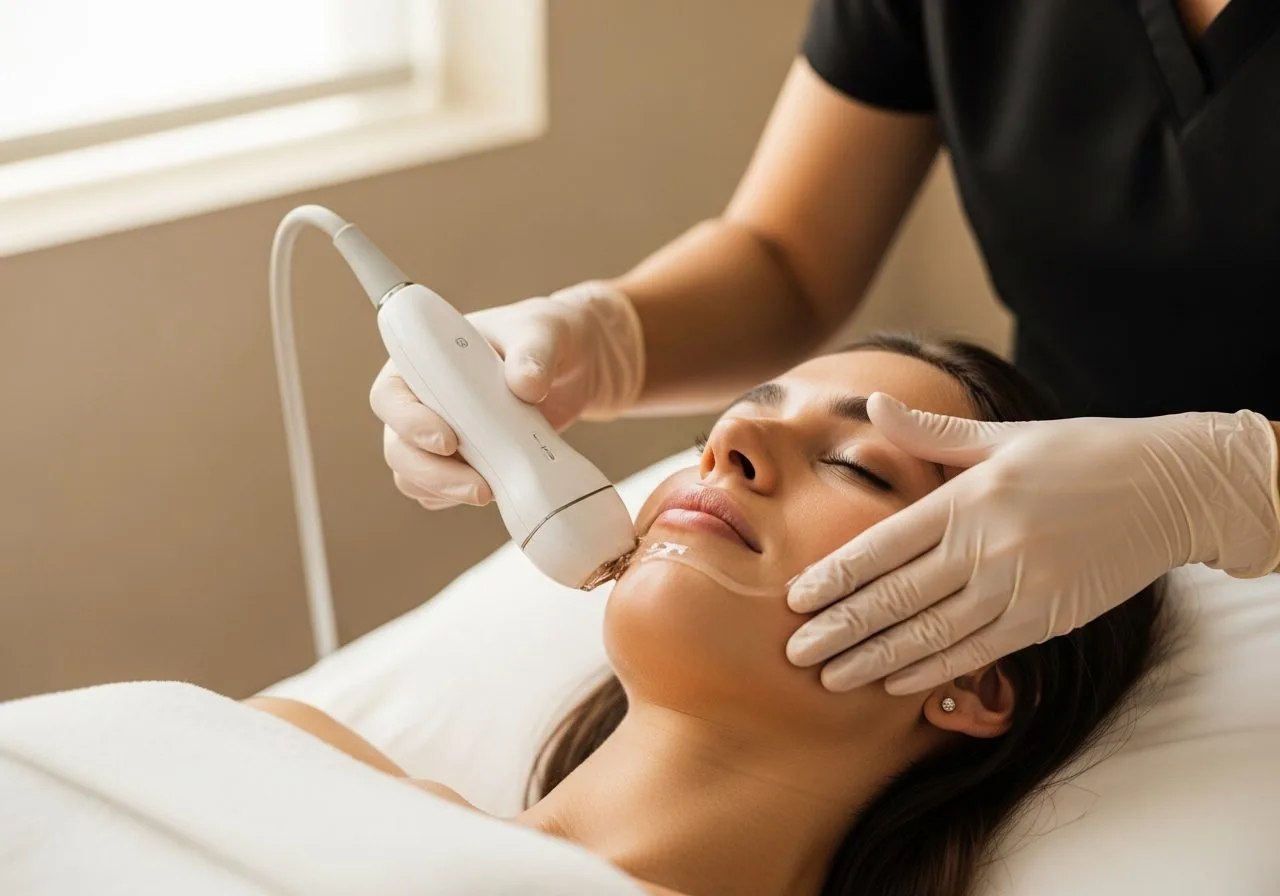
The integration of radiofrequency with microneedling represents a significant advancement in skin tightening treatments. This combination utilizes controlled pressure and energy to enhance collagen production while simultaneously delivering oxygen and nutrients to the skin. By incorporating hydroxide-based serums into treatment plans, practitioners can optimize results, addressing various skin concerns more effectively than traditional laser treatments alone.
Advancements in Needle Technology and Safety Features
Recent advancements in needle technology have significantly improved the efficacy and safety of microneedling procedures. Newer needles are designed to enhance bioavailability, allowing for better absorption of topical treatments while minimizing discomfort during the injection process. These innovations not only support the immune system‘s natural healing response but also provide plastic surgeons and practitioners with tools that ensure precise and effective treatments tailored to individual skin concerns.
User-Friendly Features in New Devices
New microneedling devices are designed with user-friendly features that enhance the overall skin care experience. Many of these devices now include advanced sensors that monitor skin conditions in real-time, ensuring optimal treatment settings for each individual. This technology not only improves safety but also allows practitioners to customize treatments based on specific needs, such as targeting the delicate eye area or addressing concerns related to redox balance, ultimately leading to more effective outcomes as supported by research available on platforms like PubMed Central.
Cutting-Edge Microneedling Techniques Enhancing Results
Combining microneedling with topical treatments enhances adherence and effectiveness, particularly for addressing issues like hyperpigmentation and melanin production. Tailoring procedures to individual skin needs ensures optimal results, while techniques for maximizing collagen production are crucial for rejuvenation. New protocols also focus on minimizing downtime, allowing clients to enjoy the benefits of skin tightening with less disruption to their daily lives.
Combining Microneedling With Topical Treatments
Combining microneedling with topical treatments significantly enhances the effectiveness of skin rejuvenation procedures. The use of hydrogel formulations, which can include components derived from animal bone marrow, allows for better absorption of active ingredients during the microneedling process. Additionally, advancements in nanotechnology enable the delivery of these treatments at a cellular level, promoting transcription processes that lead to improved skin texture and firmness.
Tailoring Procedures for Individual Skin Needs
Tailoring microneedling procedures to individual skin needs is essential for achieving optimal results in skin tightening therapy. By assessing each client’s unique skin type and concerns, practitioners can customize treatments that incorporate advanced techniques, such as the use of transdermal patches for enhanced serum delivery. This personalized approach not only aligns with sustainability practices in skincare but also adheres to guidelines set by the Food and Drug Administration, ensuring safety and efficacy in treatment protocols, as supported by research from Dove Medical Press.
Techniques for Maximizing Collagen Production
Maximizing collagen production during microneedling involves understanding the optimal penetration depth of the needles, which can significantly influence the treatment’s effectiveness. Techniques that incorporate the concept of using insulin-like growth factors can enhance the healing response, promoting collagen synthesis while minimizing the risk of pathogen introduction. By tailoring the microneedling approach to individual skin types and conditions, practitioners can achieve superior results in skin tightening and rejuvenation.
Minimizing Downtime With New Protocols
Minimizing downtime with new microneedling protocols is essential for clients seeking effective facial rejuvenation without significant interruption to their daily lives. Recent advancements in techniques, such as the integration of photorejuvenation and controlled irradiation, have shown promise in reducing recovery time while enhancing results. These innovative approaches are particularly beneficial for individuals with conditions like atopic dermatitis, as they promote healing and improve skin texture, allowing for a smoother transition back to regular activities.
Breakthrough Materials Transforming Microneedling Applications
Recent advancements in microneedling technology have introduced breakthrough materials that significantly enhance treatment outcomes. The development of bioactive microneedles promotes interaction with the innate immune system, while biodegradable materials facilitate improved healing. Additionally, advances in needle precision and depth control allow for targeted treatments, effectively addressing issues such as acne and optimizing results for human skin.
The Development of Bioactive Microneedles
The development of bioactive microneedles marks a significant advancement in the cosmetic industry, particularly in skin tightening treatments. These innovative needles are designed to release therapeutic agents that can stimulate collagen production while also interacting with the body’s immune response, potentially enhancing cancer immunotherapy outcomes. By generating reactive oxygen species, bioactive microneedles promote a healing environment that not only improves skin texture but also supports overall skin health, making them a valuable tool for practitioners aiming to deliver effective and safe treatments.
Use of Biodegradable Materials for Enhanced Healing
The use of biodegradable materials in microneedling technology is transforming skin rejuvenation practices by enhancing healing processes. These materials, which are designed to break down naturally in the body, can effectively deliver fibroblast growth factors that stimulate collagen production and improve skin texture. As policies in countries like China increasingly support innovative skincare solutions, practitioners are leveraging these advancements to provide clients with safer and more effective treatments that harness the body’s natural healing force.
Advances in Needle Precision and Depth Control
Recent advances in needle precision and depth control have significantly enhanced the effectiveness of microneedling treatments. Utilizing materials like PLGA (poly(lactic-co-glycolic acid)) allows for improved biodistribution of active ingredients, ensuring that amino acids and other essential compounds are delivered precisely where needed for optimal skin regeneration. This advancement in microneedling chemistry not only maximizes treatment outcomes but also minimizes discomfort, making the procedure more appealing to clients seeking effective skin tightening solutions.
Clinical Evidence Supporting Advanced Microneedling
Recent studies have showcased the effectiveness of advanced microneedling in promoting collagen production and enhancing connective tissue health. Long-term benefits observed in patients include improved skin texture and firmness, while safety profiles of the latest technologies demonstrate minimal risks. Expert opinions on emerging trends highlight the role of stem cell therapies and aqueous solutions in optimizing treatment outcomes. Each of these aspects will be explored in detail, providing practical insights into the evolving landscape of microneedling.
Recent Studies Showcasing Effectiveness
Recent studies published in reputable journals have highlighted the effectiveness of advanced microneedling techniques in promoting skin rejuvenation. Research indicates that the application of specific enzymes during the microneedling process can enhance collagen production, leading to improved skin texture and firmness. Additionally, findings from clinical trials demonstrate that incorporating hydrogen-based serums can further optimize results, showcasing the potential of these innovative approaches in skin tightening treatments. These studies provide valuable insights for practitioners and clients alike, emphasizing the importance of evidence-based practices in achieving desired outcomes.
Long-Term Benefits Observed in Patients
Long-term benefits observed in patients undergoing advanced microneedling treatments include significant improvements in skin texture and firmness, which are supported by scientific studies. Research indicates that patients experience a favorable ratio of collagen production over time, contributing to enhanced skin elasticity. Additionally, the usability of microneedling technology has shown promise in addressing skin concerns related to conditions such as diabetes management, where skin health can be compromised, ultimately benefiting overall well-being, including brain health.
Safety Profiles of the Latest Technologies
The safety profiles of the latest microneedling technologies have shown promising results, particularly for individuals with dark skin tones. Recent studies indicate that when combined with topical drugs like tacrolimus, microneedling can enhance skin healing while minimizing the risk of adverse effects. Furthermore, research available on platforms like ReadCube highlights the importance of understanding how conditions such as gout may influence skin treatment outcomes, ensuring that practitioners can tailor their approaches to meet the specific needs of each patient.
Expert Opinions on Emerging Microneedling Trends
Experts in the field of dermatology are increasingly recognizing the potential of microneedling technology, particularly in its ability to address various skin diseases. Recent studies have highlighted the role of peptides in enhancing the skin‘s healing process, while the integration of electricity in microneedling devices has shown promise in improving treatment efficacy. Additionally, insights from practitioners emphasize the importance of understanding how underlying health conditions, such as kidney disease, can influence skin treatment outcomes, guiding tailored approaches for optimal results.
The Future of Skin Tightening With Microneedling Innovation
Upcoming technologies in microneedling are set to enhance skin tightening treatments through innovations in plasma and chemical synthesis. Expansion into new therapeutic areas, such as utilizing fibroin and RNA, will broaden treatment applications. Additionally, making advanced treatments more accessible and emphasizing continuing education for practitioners will ensure that clients receive the best care possible. Each of these topics will be explored in detail.
Upcoming Technologies on the Horizon
Upcoming technologies in microneedling are set to transform skin tightening treatments by integrating innovative materials and methods. For instance, the use of maltose in conjunction with blood plasma can enhance the healing process, drawing on principles from traditional Chinese medicine to promote skin rejuvenation. Additionally, advancements in imaging techniques, such as the scanning electron microscope, allow practitioners to better understand skin responses, paving the way for more effective treatments tailored to address issues like obesity and its impact on skin elasticity.
Expansion Into New Therapeutic Areas
The expansion of microneedling technology into new therapeutic areas presents exciting opportunities for enhanced skin tightening solutions. By integrating ultrasound technology with intradermal injection techniques, practitioners can improve wound healing and target specific skin concerns, such as keloid formation. This innovative approach not only addresses aesthetic issues but also promotes overall skin health, making microneedling a versatile option for clients seeking effective treatments.
Making Advanced Treatments More Accessible
Making advanced microneedling treatments more accessible involves integrating innovative techniques that cater to a broader audience. For instance, the use of plasma etching can enhance the effectiveness of intramuscular injections, allowing for better absorption of therapeutic agents that support skin metabolism. By creating a reservoir of nutrients within the skin, these advancements not only improve treatment outcomes but also ensure that individuals undergoing chemotherapy or other medical treatments can benefit from skin rejuvenation without significant downtime.
Continuing Education for Practitioners
Continuing education for practitioners in aesthetic medicine is essential to keep pace with the rapid advancements in microneedling technology. By participating in workshops and training sessions, professionals can learn about innovative techniques that enhance treatment outcomes, such as the integration of amylopectin in topical applications to improve skin absorption. This ongoing education not only equips practitioners with the latest knowledge on addressing conditions like psoriasis and supporting weight loss through skin rejuvenation but also ensures they can provide safe and effective treatments tailored to individual patient needs.
Conclusion
Microneedling technology is transforming skin tightening treatments by harnessing innovative techniques and materials that enhance effectiveness and safety. The integration of advanced devices, such as those utilizing radiofrequency and bioactive microneedles, allows for tailored solutions that address individual skin concerns. As practitioners continue to adopt these cutting-edge methods, clients can expect improved results with minimal downtime. Embracing these advancements not only elevates the standard of care in aesthetic medicine but also empowers individuals to achieve their skin rejuvenation goals effectively.