
Can Ultherapy Help Sagging Eyelids? The Brow Lift Explained
December 10, 2024
If heavy, hooded upper eyes are bothering you, here is the direct answer: Ultherapy is not FDA-cleared to lift eyelid tissue. The Ulthera System is FDA-cleared to lift the eyebrow, to lift lax skin on the neck and under the chin, and to improve lines and wrinkles on the décolleté. Because the position of the brow strongly influences how the upper-eye area looks, an Ultherapy brow lift may improve the appearance of mild heaviness or hooding in an appropriate candidate — without treating the eyelid itself. This article explains the difference, who may be a candidate, and when a surgical evaluation is the better path.

Brow Descent vs. True Excess Eyelid Skin
Two different things can make the upper eyes look heavy, and they are often confused:
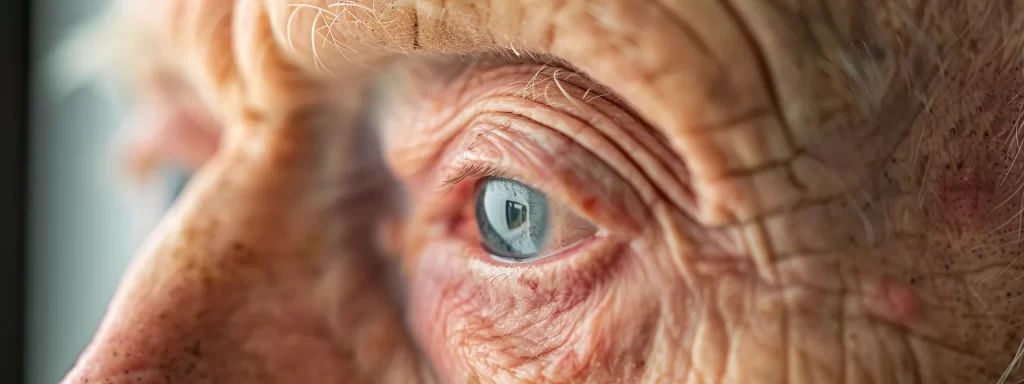
- Brow descent. With age, the eyebrow can gradually drift downward as skin laxity increases. A lower brow pushes soft tissue toward the upper lid, creating a hooded or tired look even when the eyelid skin itself is relatively normal.
- True excess eyelid skin (dermatochalasis). Here the redundant skin is on the eyelid itself. No brow-focused treatment addresses this directly — the excess skin is below the brow, on the lid.
Many people have a combination of both. Identifying which one dominates is the single most important step in choosing a treatment, which is why a careful in-person assessment matters more than any before-and-after photo.
How Lifting the Brow Can Change the Upper-Eye Appearance
When the eyebrow sits slightly higher, it draws the soft tissue above the eye upward with it. For someone whose heaviness comes mainly from brow descent, even a modest, natural-looking elevation may open up the upper-eye area and reduce the appearance of hooding. The effect is indirect — the eyelid is never treated — and it is proportional to how much of the heaviness was caused by the brow in the first place. If most of the fullness is true excess lid skin, a brow lift of any kind (surgical or non-surgical) will make only a limited difference.
How Ultherapy Works
Ultherapy delivers microfocused ultrasound energy to the deeper support layers of the skin in the brow region, creating small thermal coagulation points that stimulate the body's own collagen production over the following months. The treatment is applied on and above the brow — never on the eyelid, and never in a way that directs ultrasound energy toward the eye. For a full explanation of the technology, depths, and what a session involves, see our Complete Guide to Ultherapy.
Individual results vary.
Who May Be an Appropriate Candidate
Ultherapy's brow lift tends to suit adults who:
- Have mild to moderate brow descent and skin laxity, with heaviness that comes mainly from the brow rather than the lid
- Want a gradual, natural-looking change without surgery or cosmetic injections
- Have realistic expectations — a non-surgical brow lift is measured in millimeters, not the dramatic change of surgery
- Are in generally good skin health, without active infections or certain implants in the treatment area
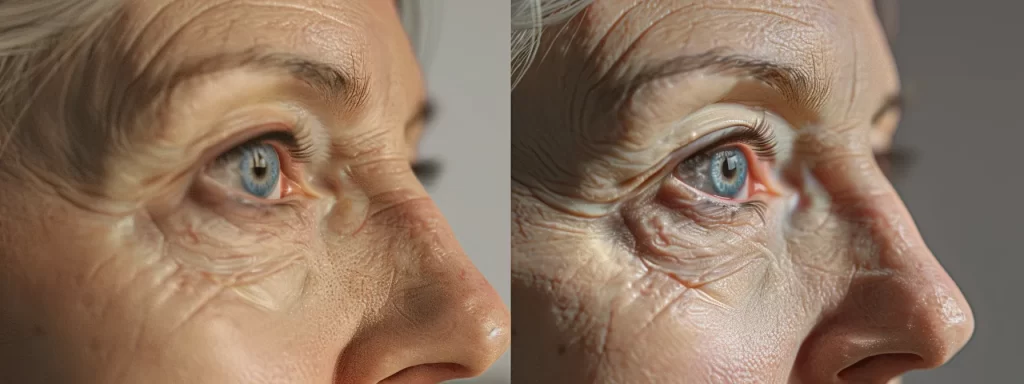
Candidacy is never guaranteed; it depends on your anatomy, health history, medications, prior procedures, and an individualized consultation.

When to Seek a Medical or Surgical Evaluation
Some upper-eye concerns are outside what any non-surgical brow treatment can address. You should be evaluated by an appropriate physician or qualified surgical specialist — often an oculoplastic or plastic surgeon — if you have:
- Substantial excess eyelid skin (true dermatochalasis) resting on the lashes
- Hooding that obstructs your peripheral or upward vision
- Eyelid ptosis (drooping of the lid margin itself), asymmetry, or other eyelid conditions
- Severe laxity where surgical procedures such as blepharoplasty or a surgical brow lift are the appropriate standard of care
Ultherapy does not replace blepharoplasty. If your goals would be better met surgically, we will tell you so honestly at your consultation and suggest you seek the appropriate specialist evaluation.

What Treatment and Recovery May Involve
A brow-focused Ultherapy session is one of the shorter treatments — the brow area alone typically takes well under an hour, longer if combined with other areas. You will feel warmth and brief stinging as the energy is delivered; most clients rate the discomfort at 4–6 out of 10, and we offer topical numbing and other comfort measures. There is minimal downtime for many appropriate clients: most resume normal activities the same day, though redness, swelling, or tenderness can linger and individual recovery varies.
Risks and Possible Temporary Reactions
Ultherapy is a real procedure with real, usually temporary, side effects. These can include:
- Redness and swelling in the treated area
- Pain or tenderness during and after treatment
- Bruising
- Temporary numbness or welts
- Transient nerve effects (such as temporary weakness or altered sensation) have been reported and typically resolve over weeks
Discuss your full health history, medications, implants, and previous procedures at your consultation so any specific concerns can be flagged before treatment.
Realistic Results and Timeline
Because Ultherapy works by stimulating your own collagen, changes appear gradually: early improvement is often visible around 4–6 weeks, with the main effect developing over 2–3 months and continuing up to 6 months. Results typically last 12–24 months before natural aging warrants a maintenance session. Expect a subtle, refreshed look — a slightly more open upper-eye area — not the outcome of eyelid surgery. Results are never guaranteed, and some clients respond more than others.

Questions, Answered
Frequently Asked Questions
Is Ultherapy FDA-cleared for the eyelids?+
No. The Ulthera System is FDA-cleared to lift the eyebrow, lift lax skin on the neck and under the chin, and improve lines and wrinkles on the décolleté. It is not cleared to treat eyelid tissue, and treatment is never applied to the eyelid.
Can Ultherapy help hooded eyes at all?+
It may, indirectly. If your hooding comes mainly from a descended brow, lifting the brow can improve the appearance of the upper-eye area. If it comes mainly from excess eyelid skin, a brow treatment will make limited difference and a surgical consultation is the appropriate next step.
How is this different from blepharoplasty?+
Blepharoplasty surgically removes excess eyelid skin (and sometimes fat) from the lid itself. Ultherapy is a non-surgical treatment of the brow region that does not remove skin and does not treat the lid. They address different problems and are not interchangeable.
Related Ultherapy Resources
- Complete Guide to Ultherapy — technology, session experience, recovery and costs
- Ultherapy treatment page — session details and pricing at our Newport Beach and Costa Mesa locations
- Eye area rejuvenation services
- Before-and-after photo gallery
- Skin tightening FAQ
See real results: the Butterfly Facelift® with Ultherapy — real before & after photos »
A consultation is the only way to know whether your upper-eye heaviness is brow-driven and whether Ultherapy is an appropriate option for you.
Your Consultation Awaits
Ready to See Real Results?
Book a free, no-pressure consultation with James Hooper, Founder and Sole Creator of the Butterfly Facelift®. Consultations and treatments are available by appointment at both our Newport Beach Corporate Office & Facility and Costa Mesa Private Studio & Facility. We’ll confirm the appropriate location for your selected service when your appointment is scheduled.
A consultation does not guarantee candidacy or results. Individual experiences vary.