
Ultherapy vs Other Ultrasound (HIFU) Skin Tightening Devices
December 10, 2024
Here is the direct answer: Ultherapy and ultrasound skin tightening are not competing technologies — Ultherapy is an ultrasound skin-tightening treatment. Specifically, it is the best-known branded microfocused ultrasound (MFU-V) device in the broader category often called HIFU (high-intensity focused ultrasound). So the real comparison is not "Ultherapy vs ultrasound" but authentic Ultherapy vs other focused-ultrasound devices — and that comparison comes down to FDA-clearance scope, real-time imaging, clinical evidence, protocols, provider training, and cost. This guide walks through each.

What Ultherapy Is
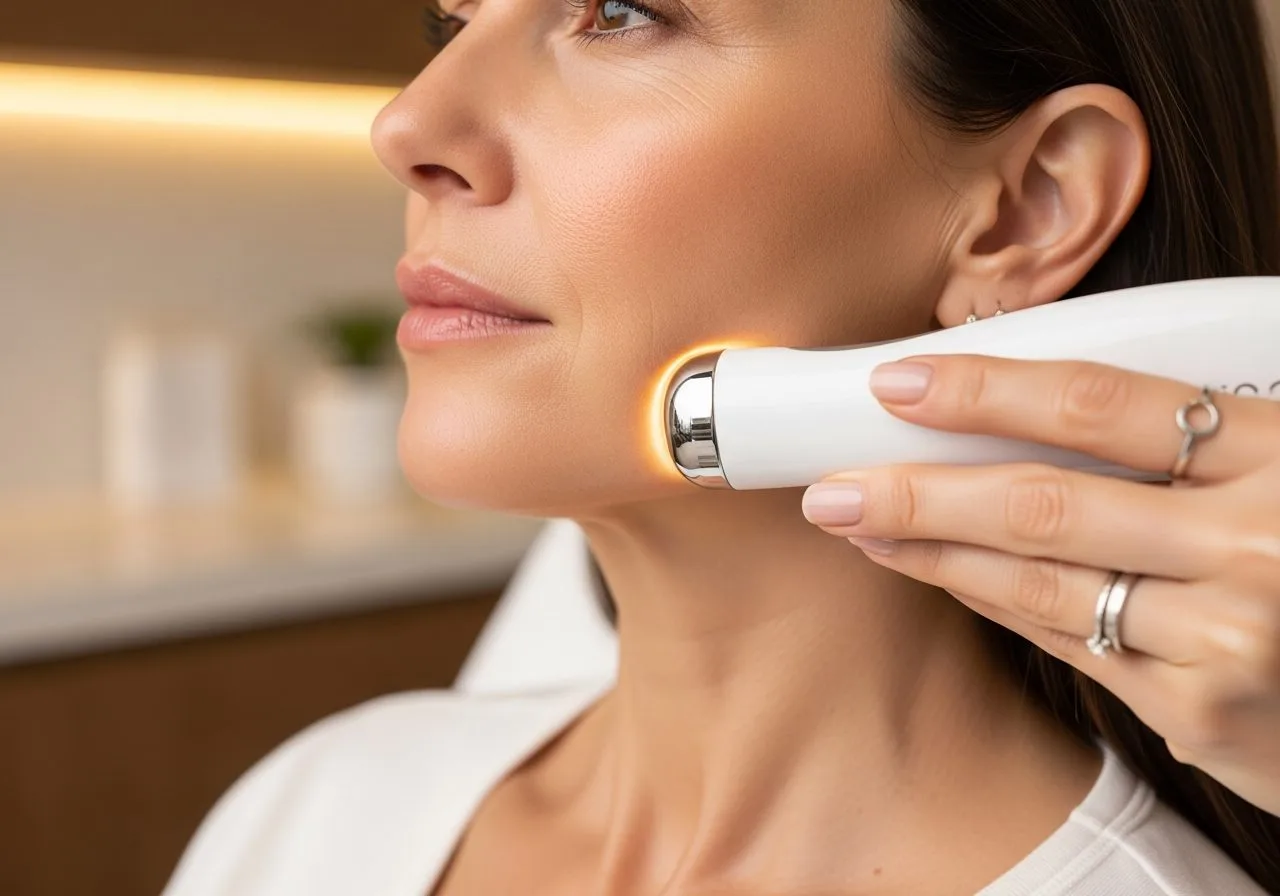
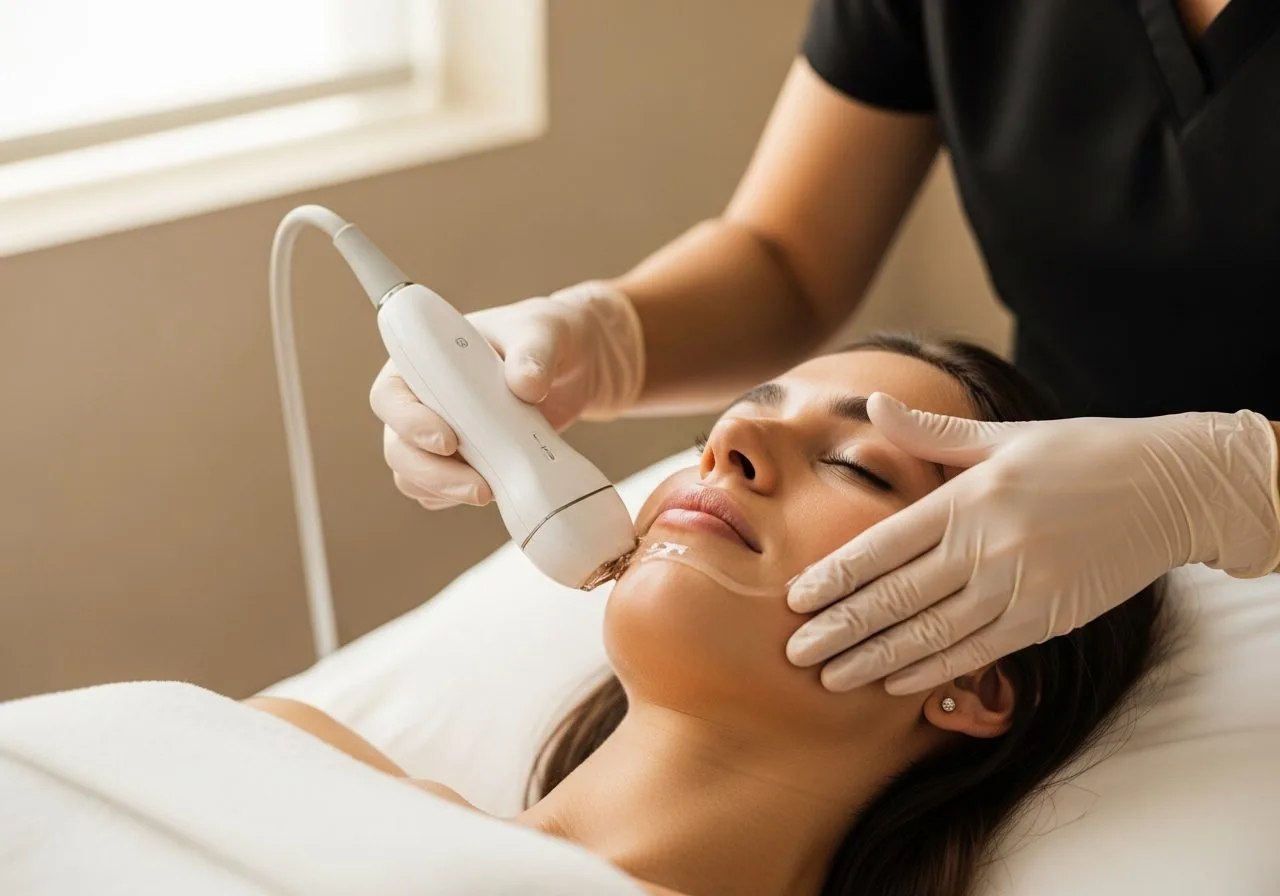
Ultherapy is the brand name for treatment with the Ulthera System, a microfocused ultrasound device that delivers small thermal coagulation points at set depths beneath the skin to stimulate the body's own collagen production. The Ulthera System is FDA-cleared to lift the eyebrow, lift lax skin on the neck and under the chin, and improve lines and wrinkles on the décolleté. Its distinguishing feature is built-in ultrasound visualization — the provider sees the tissue layers on screen while treating. For a full walkthrough of the treatment experience, see our Complete Guide to Ultherapy.
Individual results vary.

What "HIFU" and Focused Ultrasound Mean
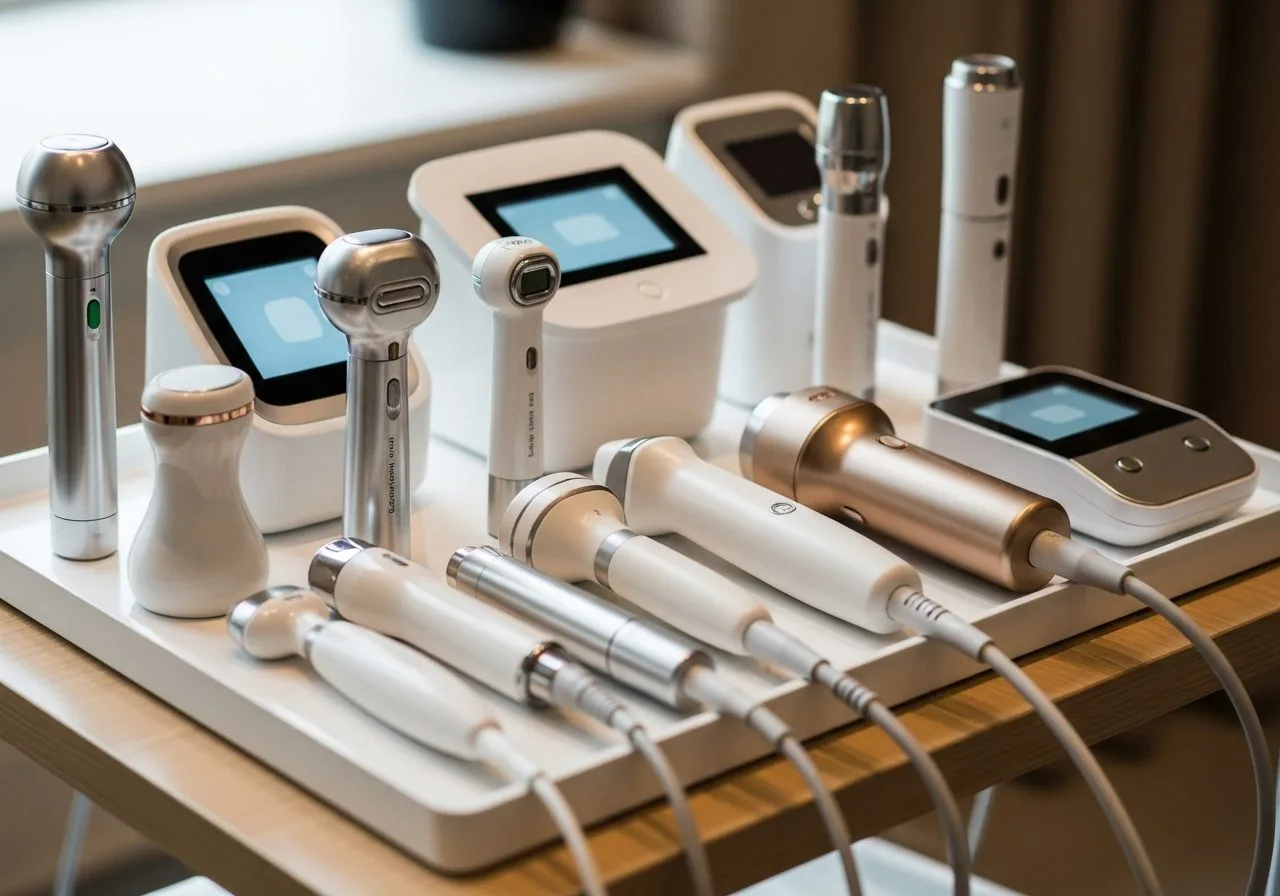
HIFU is a category, not a brand. Many devices worldwide use focused ultrasound energy to heat targeted depths of skin and stimulate collagen. Some are well-engineered; the category is broad, and devices differ meaningfully in their regulatory status, energy delivery, depths, and supporting research. Not every non-Ultherapy device is inferior — but they are not interchangeable with Ultherapy either, and none of them can borrow Ultherapy's FDA clearance or its clinical data.
What the Technologies Share
Because Ultherapy is itself a focused-ultrasound treatment, the fundamentals are common to the whole category: ultrasound energy passes through the surface of the skin without incisions, creates controlled thermal points in deeper tissue, and triggers gradual new collagen formation over the following two to three months. All of these treatments are non-surgical, involve no cosmetic injections, and produce gradual rather than instant change.

Key Differences
FDA Clearance and Device Identity
Statements about FDA clearance apply to specific devices, not to the category. The Ulthera System's clearances (eyebrow lift; lax skin on the neck and under the chin; décolleté lines and wrinkles) belong to that device alone. Other focused-ultrasound devices may hold their own clearances with different scopes, may be cleared for something narrower, or — particularly with imported devices — may not be FDA-cleared for skin lifting at all. When a clinic says "HIFU is FDA-cleared," ask which device and for what indication.
Real-Time Visualization
Ultherapy's MFU-V includes live ultrasound imaging, letting the provider confirm the energy is being delivered to the intended tissue depth. Most generic HIFU devices treat without imaging, relying on fixed cartridge depths alone. Visualization does not make results automatic, but it is a genuine technical difference in how precisely treatment can be tailored.
Treatment Protocols and Provider Training
Ultherapy follows manufacturer-defined protocols, and providers can complete manufacturer training through Merz Aesthetics (James Hooper completed Ultherapy® training in 2019). Generic HIFU protocols vary by device and clinic: some plans call for a single session, others for a series, and training standards differ widely. Session count, spacing, and energy settings are legitimate questions to ask any provider.
Evidence and Expected Results
Ultherapy has been in clinical use since its 2009 FDA clearance and is supported by a comparatively large body of published studies and treatment history. Other devices range from reasonably studied to barely studied. With any focused-ultrasound treatment, collagen remodeling takes time: early change may appear around 4–6 weeks, the main effect develops over 2–3 months, and results typically last 12–24 months. No device — Ultherapy included — can guarantee a particular outcome, and people with more advanced laxity may be better served surgically.

Cost and Appointment Considerations
Authentic Ultherapy generally costs more per session than generic HIFU — in Orange County, typically $800–$2,500 depending on the areas treated. Lower-priced HIFU offers can be appealing, but compare the total plan: a multi-session generic protocol can approach single-session Ultherapy pricing, and the device identity, clearance status, and operator training behind a low price are worth verifying. Details for our studio are on the Ultherapy treatment page and the broader ultrasound skin tightening page.

Side Effects and Recovery
These are real procedures with possible temporary reactions, whichever device is used:
- Redness and swelling in the treated area
- Pain or tenderness during and after treatment
- Bruising
- Temporary numbness or welts
- Transient nerve effects (temporary weakness or altered sensation) have been reported, typically resolving over weeks
There is minimal downtime for many appropriate clients — most resume normal activities the same day — but individual recovery varies, and your health history, medications, and implants must be reviewed before treatment.
How to Verify Which Device Is Being Offered
A fair price comparison starts with knowing what you are actually buying. Ask any clinic:
Authentic Ultherapy providers can show the Ulthera System and manufacturer training; ask to see both.
- 1Which device, by name? "HIFU" alone is not an answer.
- 2Is that specific device FDA-cleared, and for which indications?
- 3Does it include real-time visualization?
- 4Who operates it, and what training have they completed?
- 5How many sessions does the quoted price cover?
Who May Be an Appropriate Candidate
Focused-ultrasound skin tightening tends to suit adults with mild to moderate laxity of the face, neck, brow, or upper chest who want gradual, natural-looking firming without surgery. It is generally not appropriate over open wounds, active infections, or certain implants in the treatment area, and it is not a replacement for a surgical facelift when laxity is advanced. Candidacy depends on an individualized consultation — not on the device alone.

Ultherapy vs Generic HIFU at a Glance
| Authentic Ultherapy (Ulthera System) | Other HIFU / focused-ultrasound devices | |
|---|---|---|
| Technology category | Microfocused ultrasound with visualization (MFU-V) | Focused ultrasound; specifics vary by device |
| Device identity | One specific, named FDA-cleared device | Many devices; identity must be verified |
| Real-time visualization | Yes — provider images tissue while treating | Usually no; varies by device |
| FDA-clearance scope | Eyebrow lift; lax skin on neck and under chin; décolleté lines and wrinkles | Varies — each device carries (or lacks) its own clearances |
| Treatment depths | Fixed transducer depths confirmed with imaging | Cartridge depths vary by device, without imaging on most |
| Clinical evidence | In use since 2009; comparatively large published record | Ranges widely by device |
| Provider training | Manufacturer training available through Merz Aesthetics | Varies by device and clinic |
| Typical cost pattern | Higher per session; often a single session | Often lower per session; may require a series |
| Possible reactions | Redness, swelling, tenderness, bruising, temporary numbness or welts; transient nerve effects reported | Same category of reactions; profile varies by device and operator |
| Results timeline | Gradual over 2–3 months; typically lasts 12–24 months | Gradual; duration varies by device and protocol |
Questions, Answered
Frequently Asked Questions
Is Ultherapy the same as HIFU?+
Ultherapy is a branded microfocused-ultrasound treatment within the broader HIFU/focused-ultrasound family. It shares the category's basic mechanism but is a specific FDA-cleared device with real-time visualization and its own clinical record — statements about Ultherapy do not automatically apply to other HIFU devices, and vice versa.
Is generic HIFU bad?+
Not necessarily. Some non-Ultherapy devices are legitimately engineered and hold their own clearances. The point is that devices differ — in clearance scope, imaging, evidence, and training — so you should know exactly which device you are being treated with and what supports it.
Which one should I choose?+
That depends on your degree of laxity, your goals, your budget, and which specific device a clinic actually operates. A consultation where the provider names the device, shows its clearance, and explains the protocol is the right basis for the decision.
Related Resources
- Complete Guide to Ultherapy — the full treatment walkthrough
- Ultherapy treatment page — session details and pricing
- Ultrasound skin tightening services
- Before-and-after photo gallery
- Skin tightening FAQ
See real results: neck skin tightening with added Ultherapy — before & after photos »
Your Consultation Awaits
Ready to See Real Results?
Book a free, no-pressure consultation with James Hooper, Founder and Sole Creator of the Butterfly Facelift®. Consultations and treatments are available by appointment at both our Newport Beach Corporate Office & Facility and Costa Mesa Private Studio & Facility. We’ll confirm the appropriate location for your selected service when your appointment is scheduled.
A consultation does not guarantee candidacy or results. Individual experiences vary.