ο»Ώ
Many people desire a defined jawline but may hesitate to consider surgical options like craniofacial surgery. Fortunately, non-surgical enhancements, such as Botox and deoxycholic acid treatments, offer effective solutions to combat the signs of ageing and improve jawline aesthetics. This guide will explore various non-surgical options, what to expect during the procedure, and how to maintain your results. By understanding these methods, readers can achieve their ideal jawline without the need for invasive surgery, addressing concerns related to the platysma muscle and overall facial contour.
Understanding Jawline Aesthetics and Non-Surgical Solutions
Jawline definition plays a crucial role in facial aesthetics, influencing overall appearance and symmetry. Factors such as genetics, age, and lifestyle can affect the visibility of the mandible. Non-surgical enhancements, including treatments with hyaluronic acid like Restylane, offer effective solutions without the risks associated with implants or bleeding. Appointments this section will explore why jawline definition matters, the factors influencing its appearance, and the benefits of non-surgical options.
Why Jawline Definition Matters
Jawline definition significantly impacts facial aesthetics, contributing to a balanced and youthful appearance. A well-defined jawline can enhance overall symmetry, making the face look more attractive. Non-surgical options, such as toxin injections and jaw reduction techniques, provide effective ways to achieve this desired look without the downtime associated with surgical procedures, allowing individuals to enhance their features with minimal disruption to their daily lives.
Factors Influencing Jawline Appearance
Several factors influence the appearance of the jawline, including genetics, age, and lifestyle choices. Genetics play a significant role in determining the natural shape and definition of the jawline, while aging can lead to loss of skin elasticity and fat distribution changes, affecting jawline visibility. Additionally, lifestyle factors such as diet and exercise can impact the neck area, where excess fat may accumulate, making non-surgical options like Sculptra therapy or targeted liposuction appealing for those seeking a more defined jawline without resorting to plastic surgery.
Benefits of Non-Surgical Enhancements
Non-surgical enhancements for jawline definition offer numerous benefits, making them an appealing choice for those seeking a more sculpted appearance. Treatments such as botulinum toxin injections can effectively reduce muscle activity, leading to a more refined jawline without the need for invasive procedures. Research indicates that these options not only improve facial aesthetics but also maintain skin elasticity, providing a youthful look that complements other non-surgical treatments like forehead lifts and blepharoplasty, all while minimizing recovery time and associated risks.
Exploring Non-Surgical Jawline Enhancement Options
Enhancing jawline aesthetics can be achieved through various non-surgical techniques. Dermal fillers can enhance contours and improve facial symmetry, while Botox can slim the jawline by reducing muscle activity. Kybella targets fat under the chin, and radiofrequency treatments tighten skin for a more defined look. This section will compare these methods, providing insights into achieving a balanced and attractive jawline.
Enhancing Contours With Dermal Fillers
Dermal fillers are a popular choice for enhancing jawline contours, providing a non-surgical solution to achieve a more defined appearance. These injections work by adding volume to specific areas, helping to smooth out wrinkles and create a sharper jawline. Unlike surgical options, which require a skilled surgeon and involve longer recovery times, dermal fillers offer immediate results with minimal downtime, making them an attractive option for those seeking a quick enhancement.
Slimming the Jawline With Botox
Slimming the jawline with Botox is an effective non-surgical option that targets the masseter muscles, which are located on the sides of the jaw. By injecting Botox into these muscles, individuals can achieve a more refined jawline without the need for anesthesia or invasive procedures. This treatment not only enhances the jawline’s appearance but also reduces the risk of complications associated with surgical methods, making it a popular choice for those looking to improve their facial anatomy while maintaining a natural look.
Reducing Fat Under the Chin With Kybella
Kybella is a non-surgical treatment specifically designed to reduce fat under the chin, offering patients a more defined jawline without the need for invasive procedures. Administered by a qualified physician, Kybella utilizes deoxycholic acid to target and break down fat cells, resulting in a slimmer profile. The procedure typically involves the use of a local anesthetic to ensure patient comfort, and many individuals experience noticeable results after just a few sessions, making it an effective option for those seeking chin augmentation and overall facial rejuvenation.
Tightening Skin With Radiofrequency Treatments
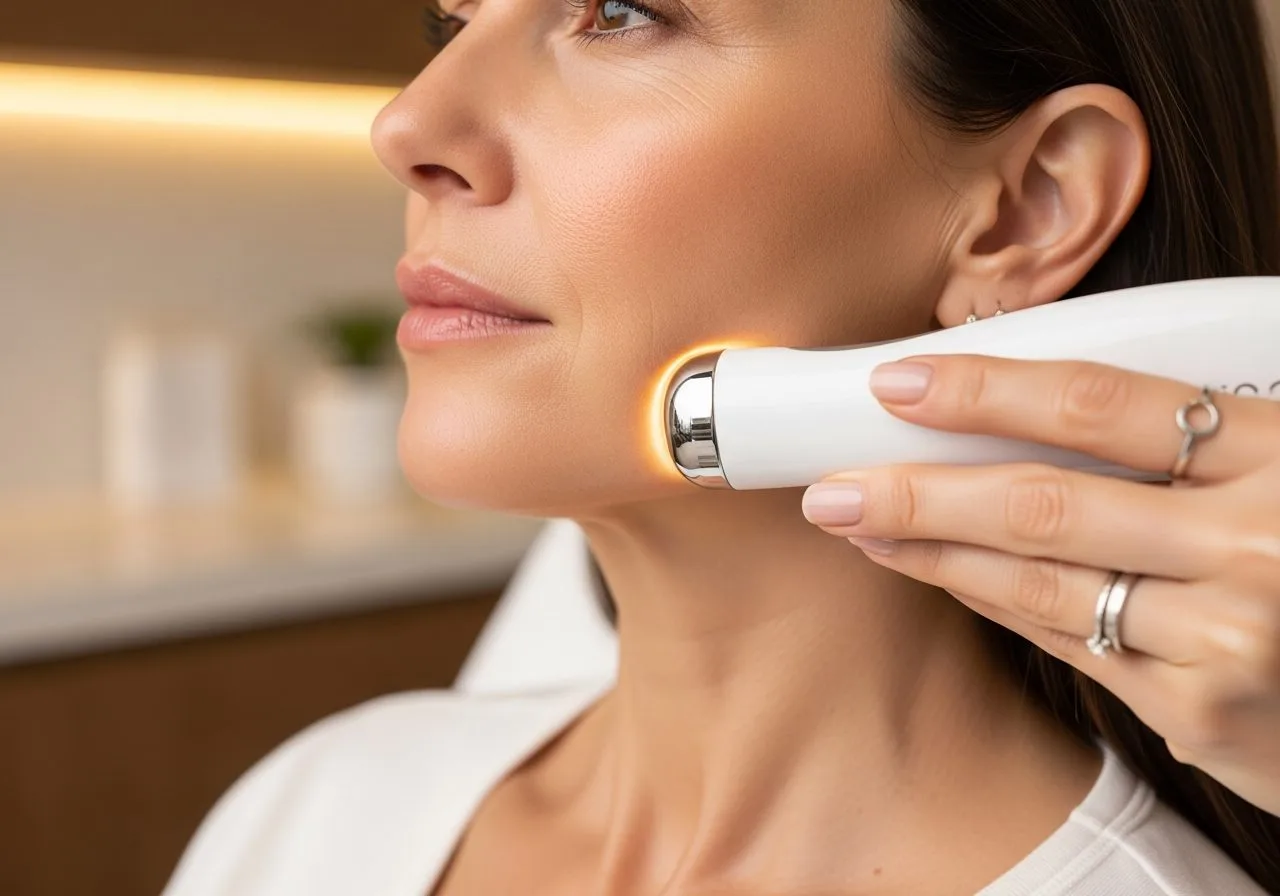
Radiofrequency treatments are an effective non-surgical option for tightening skin and enhancing jawline definition. This technique utilizes energy to stimulate collagen production in the soft tissue, resulting in firmer skin without the need for invasive surgery. By targeting areas around the jawline, these treatments can improve skin elasticity and reduce sagging, providing a more sculpted appearance that complements other enhancements, such as injections for the masseter muscle or acid-based fillers.
Comparing Different Non-Surgical Techniques
When comparing different non-surgical techniques for jawline enhancement, it is essential to consider the specific needs and desired outcomes of the individual. Treatments like dermal fillers can add volume and contour to the jaw, while Botox effectively targets the masseter muscle to slim the jawline, enhancing overall facial symmetry. For those looking to boost their confidence without invasive procedures, options such as Kybella for fat reduction under the chin and radiofrequency treatments for skin tightening provide effective solutions that can complement other enhancements, including lip augmentation, to achieve a balanced and youthful appearance.
Preparing for Your Non-Surgical Jawline Procedure
Preparing for a non-surgical jawline procedure involves several key steps. First, scheduling a professional consultation is essential to assess candidacy for treatments and discuss individual goals. Setting realistic expectations about the results and potential side effects is crucial. Additionally, following pre-treatment guidelines, including considerations related to weight and chin angle, can enhance the overall outcome of the procedure.
Scheduling a Professional Consultation
Scheduling a professional consultation is a vital first step in the journey toward achieving a more defined jawline through non-surgical enhancements. During this appointment, individuals can discuss their goals and concerns with a qualified practitioner, who will assess the need for volume adjustments and recommend suitable minimally invasive procedures. This personalized approach ensures that patients understand the potential outcomes, including the use of techniques like laser treatments or chemical peels, while also addressing any worries about scarring or recovery time.
Assessing Candidacy for Treatments
Assessing candidacy for non-surgical jawline treatments involves a thorough evaluation of an individual’s facial structure and aesthetic goals. A qualified practitioner will consider factors such as the current contouring of the cheeks and jawline, as well as any concerns about pain or discomfort associated with injectable fillers. This personalized assessment ensures that the chosen treatment aligns with the patient‘s desired outcomes, ultimately leading to a more defined and harmonious facial appearance.
Setting Realistic Expectations
Setting realistic expectations is essential when considering non-surgical jawline enhancements. Patients should understand that while treatments can significantly improve jawline definition, results may vary based on individual factors such as skin type and the presence of fat deposits. Consulting with a board-certified practitioner can help clarify what is achievable, ensuring that concerns about potential allergies or discomfort are addressed, and that the desired outcomes align with overall facial aesthetics, including features like the forehead and nose, which may also be enhanced through procedures like rhinoplasty.
Pre-Treatment Guidelines to Follow
Before undergoing a non-surgical jawline procedure, it is essential to follow specific pre-treatment guidelines to minimize risk and ensure optimal results. Patients should maintain proper hygiene, as clean skin reduces the chance of infection and complications. Additionally, consulting with a qualified clinic about the superficial muscular aponeurotic system (SMAS) can help individuals understand how treatments may interact with underlying structures, including nerves, ultimately leading to a safer and more effective enhancement experience.
The Procedure: What to Expect on Treatment Day
On treatment day, individuals can expect a structured process that includes a step-by-step overview of the procedure, ensuring clarity and comfort. Pain management techniques will be discussed to enhance comfort during the session. Additionally, understanding the duration and frequency of treatments is essential for achieving optimal results while maintaining tissue harmony and minimizing the risk of infection.
Step-by-Step Overview of the Process
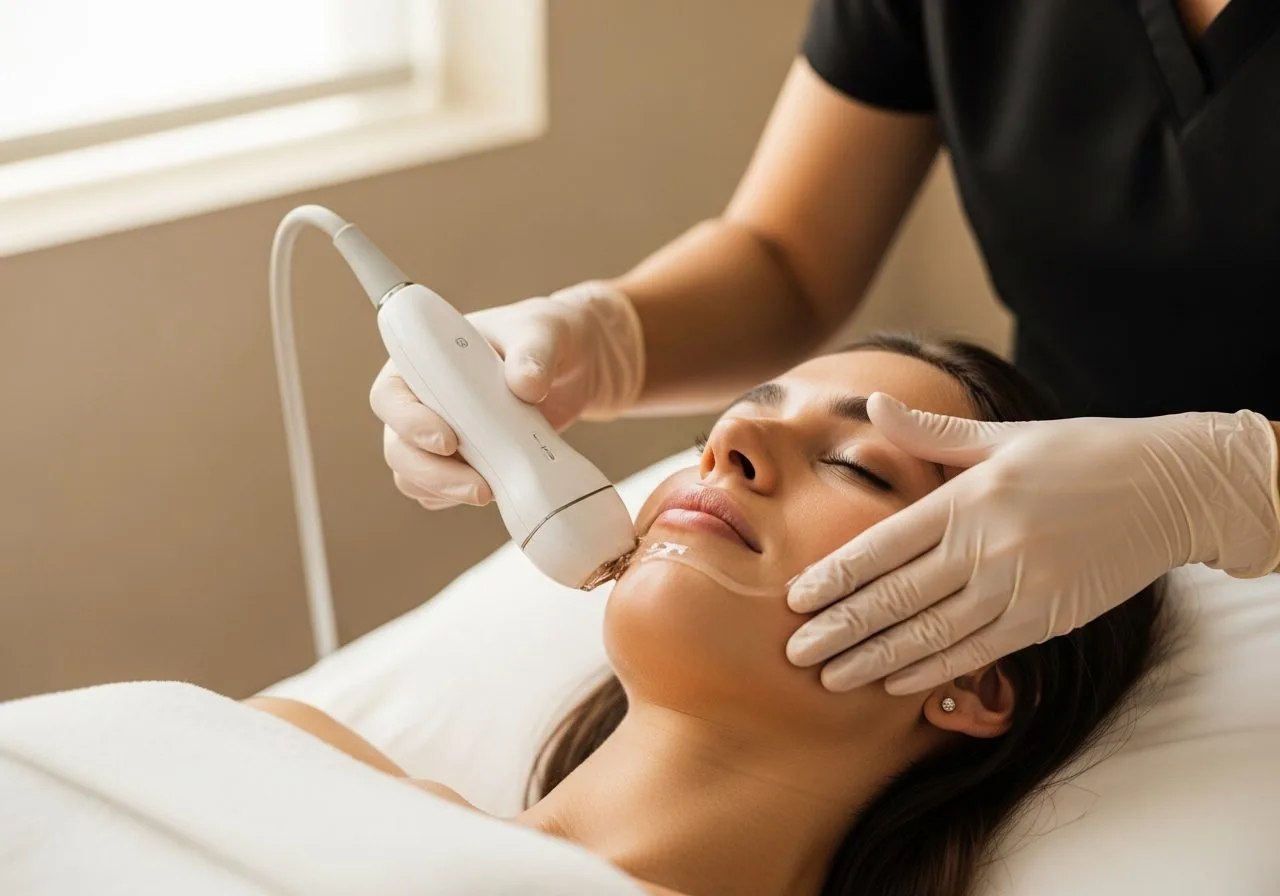
On treatment day, individuals can expect a well-structured process designed to ensure comfort and effectiveness. The session typically begins with a thorough consultation, where the practitioner discusses the desired outcomes and reviews the patient‘s medical history, including any previous procedures like platysmaplasty or osteotomy. Following this, the practitioner will prepare the treatment area, applying a topical anesthetic to minimize discomfort during the rejuvenation process, ensuring a smooth healing experience for the patient.
Pain Management and Comfort Measures
Pain management and comfort measures are essential components of the non-surgical jawline enhancement procedure. Practitioners typically apply a topical anesthetic to the treatment area, ensuring that patients experience minimal discomfort during the injections. For those concerned about pain, discussing options with the practitioner can provide reassurance and help tailor the experience to individual needs. If there are any questions or concerns about the procedure, potential patients are encouraged to Contact Us for more information and personalized guidance.
Duration and Frequency of Treatments
The duration and frequency of non-surgical jawline enhancement treatments can vary based on the specific procedure and individual goals. Typically, sessions for treatments like dermal fillers or Botox last between 30 to 60 minutes, allowing for a quick and convenient experience. Most patients may require follow-up sessions every six months to maintain their desired results, ensuring a consistently defined jawline without significant downtime.
Aftercare and Maintaining Results
Post-treatment care is essential for achieving the best results from non-surgical jawline enhancements. This section will cover important care instructions, how to manage common side effects, and tips for prolonging the effects of treatments. Additionally, it will address when to schedule follow-up sessions to maintain a defined jawline and ensure optimal outcomes.
Post-Treatment Care Instructions
After undergoing non-surgical jawline enhancement, following proper post-treatment care instructions is essential for optimal results. Patients should avoid strenuous activities and excessive sun exposure for at least 24 hours to minimize swelling and ensure healing. Additionally, applying a cold compress can help reduce any discomfort, while staying hydrated supports skin recovery and maintains the newly defined jawline.
Managing Common Side Effects
Managing common side effects after non-surgical jawline enhancement is crucial for ensuring a smooth recovery and optimal results. Patients may experience mild swelling, bruising, or tenderness at the injection sites, which typically resolve within a few days. Applying a cold compress can alleviate discomfort and reduce swelling, while staying hydrated supports the healing process, allowing individuals to enjoy their newly defined jawline with confidence.
Tips for Prolonging Enhancement Effects
To prolong the effects of non-surgical jawline enhancements, individuals should prioritize a consistent skincare routine that includes hydration and sun protection. Staying well-hydrated helps maintain skin elasticity, while using sunscreen can prevent premature aging and skin damage. Additionally, regular follow-up treatments, as recommended by a qualified practitioner, can ensure that the jawline remains defined and youthful over time, allowing individuals to enjoy their enhanced appearance for longer periods.
When to Schedule Follow-Up Sessions
Scheduling follow-up sessions for non-surgical jawline enhancements is essential to maintain optimal results. Typically, practitioners recommend follow-up treatments every six months to a year, depending on the specific procedure and individual response. Regular check-ins not only help sustain the defined jawline but also allow for adjustments based on changes in facial structure or personal aesthetic goals, ensuring that individuals continue to achieve their desired look over time.
Choosing a Qualified Practitioner for Optimal Outcomes
Choosing a qualified practitioner is essential for achieving optimal outcomes in non-surgical jawline enhancement. Individuals should look for specific credentials in a specialist, ask pertinent questions during consultations, and evaluate before-and-after photos to gauge effectiveness. Additionally, understanding costs and financing options can help in making informed decisions about treatments that enhance jawline aesthetics.
Credentials to Look for in a Specialist
When seeking a qualified practitioner for non-surgical jawline enhancement, it is essential to consider their credentials and experience. Look for professionals who are board-certified in dermatology or plastic surgery, as this indicates a high level of training and expertise in aesthetic procedures. Additionally, reviewing before-and-after photos of previous patients can provide insight into the practitioner’s skill and the potential results one can expect, ensuring a more informed decision for achieving a defined jawline.
Questions to Ask During Your Consultation
During a consultation for non-surgical jawline enhancement, individuals should ask about the practitioner’s experience and qualifications in performing these specific procedures. Inquiring about the types of treatments offered, such as dermal fillers or Botox, can help clarify which options are best suited for achieving the desired jawline definition. Additionally, discussing potential side effects and recovery expectations will provide a clearer understanding of what to anticipate, ensuring that patients feel informed and confident in their treatment choices.
Evaluating Before-and-After Photos
Evaluating before-and-after photos is a critical step in selecting a qualified practitioner for non-surgical jawline enhancement. These images provide insight into the practitioner’s skill and the potential results one can expect. When reviewing these photos, individuals should look for consistency in results across different patients, ensuring that the enhancements align with their own aesthetic goals and desired jawline definition.
Understanding Costs and Financing Options
Understanding the costs associated with non-surgical jawline enhancement is essential for individuals considering these procedures. Prices can vary significantly based on the type of treatment, the practitioner’s expertise, and the location of the clinic. Many practitioners offer financing options, allowing patients to manage expenses more comfortably while achieving their desired jawline definition.
Conclusion
Achieving a well-defined jawline significantly enhances facial aesthetics and boosts confidence. Non-surgical options, such as dermal fillers, Botox, Kybella, and radiofrequency treatments, provide effective solutions without the risks associated with surgery. Preparing properly and choosing a qualified practitioner are essential steps to ensure optimal results. By exploring these non-invasive enhancements, individuals can unlock their best jawline and enjoy a youthful, balanced appearance.